
The Role of Physical Therapy in Post-Surgical Sports Injuries Rehab
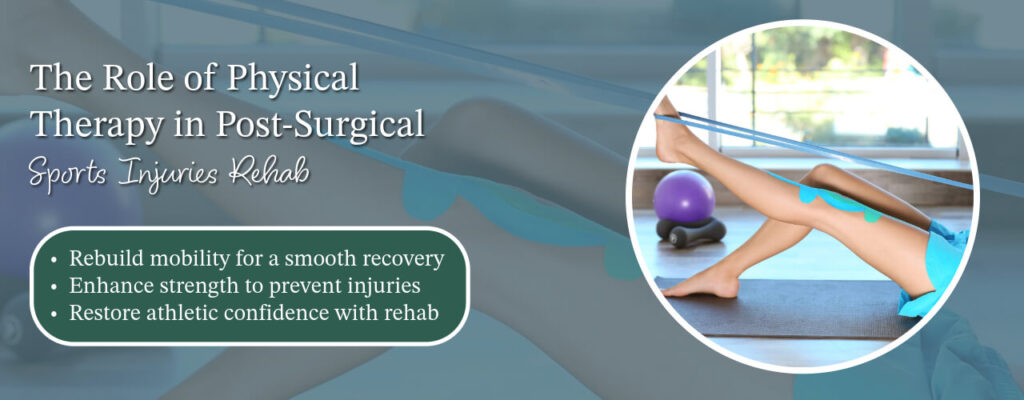
Jessica (not her real name), a 27-year-old recreational soccer player, was used to staying active and pushing her limits. But after a sudden pivot during a weekend match, she heard a pop in her knee followed by swelling and pain. The diagnosis was a torn ACL, and surgery was recommended to restore stability and function. After a successful procedure, Jessica knew her recovery wouldn’t be complete without a structured rehabilitation plan. She chose physical therapy at Go Aurora Physical Therapy for her post-surgical rehab for sports injuries, and that decision made all the difference.
With the guidance of her physical therapist, Jessica worked through pain, stiffness, and weakness to return to not only daily life but also the field.
Understanding the Injury and Challenges Ahead
Jessica’s injury required an ACL reconstruction, a common procedure for active individuals, especially athletes involved in pivoting sports like soccer, basketball, and skiing. While the surgery went well, her surgeon emphasized the importance of structured rehab to protect the graft and regain function.
When she began physical therapy at Go Aurora Physical Therapy, Jessica had:
- Limited knee range of motion
- Generalized swelling and joint stiffness
- Significant muscle weakness in her quadriceps and hamstrings
- Difficulty walking without a limp
- Anxiety about reinjury and returning to sport
She worried she might never play again at the same level. Her therapist reassured her that with a customized program and consistent work, she could achieve a full return to activity.
Building the Foundation: Early Post-Surgical Care
In the first few weeks, therapy focused on protecting the healing tissue, restoring basic movement, and reducing pain. Jessica’s therapist at Go Aurora Physical Therapy introduced:
- Gentle range-of-motion exercises to prevent stiffness
- Swelling management through elevation and soft tissue techniques
- Neuromuscular re-education to reestablish proper muscle activation
- Weight-bearing and gait training to promote even walking patterns
Each step was monitored closely to ensure she progressed safely and didn’t push too far too fast.
Targeted Treatment for Post-Surgical Rehab for Sports Injuries
As Jessica transitioned into the strengthening and reconditioning phases, her care plan continued to evolve. The focus of her post-surgical rehab for sports injuries included:
1. Progressive Strengthening
Her therapist introduced resistance training tailored to her stage of healing. Exercises targeted the core, glutes, hamstrings, and quadriceps to rebuild strength and protect the knee during more demanding activity.
2. Balance and Proprioception Training
Jessica worked on single-leg balance, dynamic movements, and coordination drills to retrain her body’s response to movement and load, which is critical for injury prevention.
3. Sport-Specific Conditioning
Closer to the end of her rehab, Jessica practiced soccer-specific drills, agility work, and cutting movements. Each drill progressed gradually to mimic real gameplay scenarios.
4. Return-to-Play Testing
Before returning to soccer, Jessica completed return-to-play assessments. These tests evaluated strength symmetry, control, and dynamic movement patterns to ensure she was physically ready and confident to resume sport.
Her therapist also focused on mental readiness. Fear of reinjury is common after surgery, so education and positive reinforcement were included to help rebuild confidence.
The Results: A Stronger, Smarter Athlete
By the end of her rehabilitation, Jessica experienced:
- Full knee range of motion
- Balanced strength between both legs
- Confidence in pivoting, sprinting, and jumping
- Return to recreational soccer with no recurring pain or instability
- A new appreciation for injury prevention and movement quality
What made the difference wasn’t just the exercises; it was the personalized approach to care, the ongoing education, and the emotional support she received throughout her post-surgical rehab for sports injuries at Go Aurora Physical Therapy.
A Message to Other Athletes in Recovery
Recovering from a sports-related surgery can feel overwhelming. From the physical pain to the uncertainty about returning to your sport, it’s normal to feel unsure. However, Jessica’s story shows that recovery is possible with the right plan and support team.
At Go Aurora Physical Therapy, we treat more than just the injury. We guide each patient through a complete recovery journey. Our physical therapists design treatment plans based on current research and individual goals, ensuring every patient moves forward safely and with purpose.
Ready to Start Your Comeback?
Whether you’re recovering from surgery or preparing for your return to sport, our team at Go Aurora Physical Therapy is here to help. Post-surgical rehab for sports injuries is most effective when it’s customized, evidence-based, and built around your life.
Contact us today to begin your personalized rehab program. Your best recovery starts here.