
How Vestibular Therapy Restores Balance and Reduces Dizziness
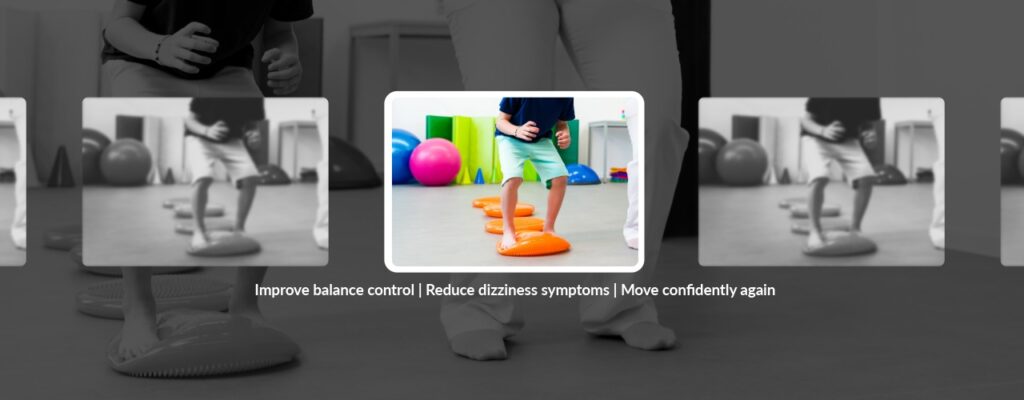
Feeling dizzy or unsteady can make even simple daily activities feel uncertain. The good news is that vestibular therapy benefits many people who experience dizziness, vertigo, or balance problems by helping the brain and body work together more effectively. At Go Physical Therapy, we offer this specialized form of care to help people move with greater confidence and return to the activities they enjoy.
Understanding The Benefits of Vestibular Therapy
Vestibular therapy is a specialized form of physical therapy that focuses on the body’s balance system. It is designed to improve the way your eyes, inner ears, brain, and muscles work together to maintain stability.
Rather than simply addressing symptoms, treatment focuses on identifying the factors contributing to dizziness or poor balance. Every care plan is tailored to your needs because balance challenges can have many different causes. Learning about vestibular therapy benefits can help you understand why a personalized approach is so important.
Who Can Benefit Most From Vestibular Therapy?
Many people also seek care when symptoms interfere with work, hobbies, exercise, shopping, or spending time with family. Vestibular therapy may help people who experience:
- Frequent dizziness during daily activities.
- Vertigo that makes movement uncomfortable.
- Feeling unsteady while walking.
- Difficulty turning the head without symptoms.
- Loss of confidence with movement after a balance problem.
- Balance concerns that increase the fear of falling.
When Should You Consider Vestibular Therapy?
While occasional dizziness can happen for many reasons, you should consider scheduling an evaluation at Go Physical Therapy if dizziness or balance problems continue, become more frequent, interfere with daily activities, or cause you to avoid movement because you feel unsteady.
What To Expect From Vestibular Therapy at Go Physical Therapy
Before beginning treatment, your therapist completes a thorough evaluation to better understand how your balance system is functioning. This evaluation may include observations such as:
- How your eyes move while focusing on an object.
- How steady you feel when standing or walking.
- Whether certain head movements trigger symptoms.
- How confidently you move through everyday activities.
These findings help your therapist create a treatment plan that matches your symptoms, goals, and comfort level.
Vestibular Therapy Treatment Techniques
Every treatment plan is individualized, but vestibular therapy commonly includes several types of activities that support better balance and movement, including:
- Balance exercises that help improve stability during everyday tasks.
- Gentle head and eye coordination activities that encourage your brain to process movement more efficiently.
- Walking activities that build confidence on different surfaces and in different environments.
- Functional movement practice that supports safer transitions, turning, and reaching.
- Education about symptom management so you understand how to move with greater confidence throughout the day.
These techniques work together to improve function gradually while supporting the many vestibular therapy benefits that patients often experience during care.
Simple Home Strategies That Support Progress
In addition to your in-clinic sessions, we’ll usually recommend a home plan to help you maintain progress between visits. Depending on your needs, this might include:
- Practicing simple balance activities in a safe environment.
- Using movement strategies that reduce unnecessary symptom flare-ups.
- Staying active with appropriate daily movement.
- Making small adjustments that improve safety while symptoms are improving.
Recognizing Meaningful Progress
Progress often appears in practical ways that matter most during everyday life. Many of our patients notice improvements such as:
- Walking with greater confidence.
- Better overall balance during routine activities.
- Improved strength for everyday movement.
- Greater comfort turning, bending, or changing positions.
- Increased independence with daily tasks.
- More confidence participating in work, recreation, and family activities.
Take the First Step Toward Better Balance
If dizziness, vertigo, or balance challenges are affecting your daily life, the team at Go Physical Therapy is here to help. Contact us to schedule an evaluation and discover vestibular therapy benefits for yourself!