
Tech Neck at the Office: How Screen Time Strains Your Cervical Spine and What Actually Fixes It
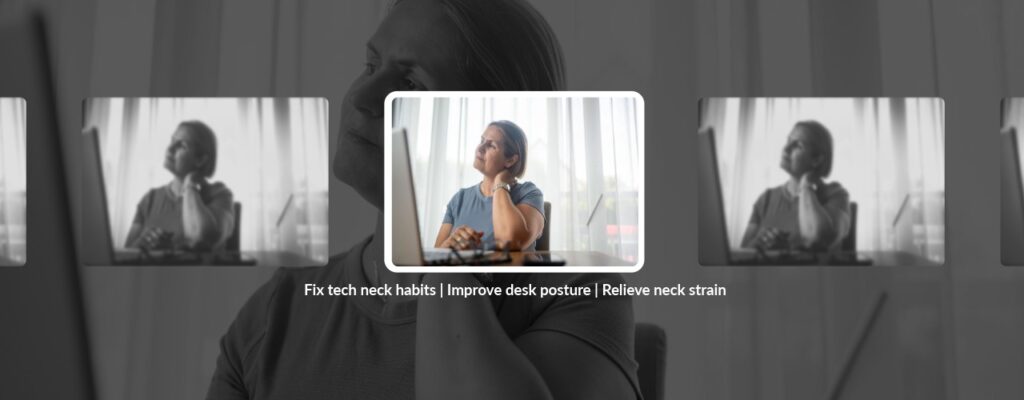
Spending long hours in front of a computer screen can leave your upper body feeling stiff, heavy, and sore. Office workers, remote employees, and students often struggle with tight shoulders and aching neck muscles by the end of the workday. Dealing with neck pain from looking at a computer all day is a growing problem that stems from how extended screen time alters your sitting posture. Connecting with Go Physical Therapy gives you access to physical therapy solutions that restore natural movement and long-term spinal comfort.
How Screen Time Pulls Your Neck Out of Line
When you sit at a desk and stare at a screen, your head naturally drifts forward toward the monitor. This forward head posture forces the small joints and soft tissues in your cervical spine to carry excessive physical stress. For every inch your head tilts forward, the workload placed on your upper back and neck muscles increases significantly.
Holding this forward tilt for hours limits normal blood circulation to local tissues. Over time, the muscles at the base of your skull become short and tight, while the deep stabilizing muscles in the front of your neck grow weak. This physical imbalance leads to burning soreness across your shoulders, tension headaches, and lingering stiffness when turning your head to check your surroundings.
Treating Tech Neck
Why Rest and Stretching Alone Do Not Fix the Problem
Taking a short break or rubbing your neck offers brief, temporary relief, but rest alone rarely resolves underlying muscle imbalances. When structural habits settle in around your cervical spine, your body defaults to slouching. Trying to force yourself to sit up straight through sheer effort often causes lower back fatigue because your postural muscles lack true endurance.
Fixing neck pain from looking at a computer all day requires an active, evidence-based approach that builds lasting strength. Targeted physical therapy retrains your upper back, shoulder blades, and deep neck flexors to support your head naturally. By addressing joint stiffness and muscular weakness together, you can break the cycle of posture-related soreness for good.
Simple Habits You Can Start at Your Desk Today
You can implement simple, research-backed movement habits right now to reduce neck stress while working:
Adjust Your Monitor Alignment
- Position your screen so your eyes align naturally with the top third of the monitor, keeping your head level.
Take Regular Movement Breaks
- Stand up, stretch your chest, and roll your shoulders backward every hour to encourage healthy tissue circulation.
Perform Neck Exercises
- Gently draw your head straight back as if making a subtle double chin, holding for three seconds to engage deep neck stabilizers.
Support Your Lower Back
- Place a small lumbar roll behind your lower back to maintain a neutral spinal curve while sitting.
Need Extra Help? How a Clinical Assessment Pinpoints the Solution
An initial physical evaluation at Go Physical Therapy looks closely at how your neck, upper back, and shoulders work together as a unit. Identifying the exact physical factors driving neck pain from looking at a computer all day involves checking key clinical markers:
- Active cervical range of motion and joint gliding during side-to-side turning and bending.
- Muscle strength, activation timing, and endurance in the upper back and neck flexors.
- Desk ergonomics, head alignment, and breathing mechanics under static sitting conditions.
- Soft tissue tightness across the chest, upper traps, and suboccipital muscle groups.
Evidence-Based Physical Therapy Strategies for Relief
Clinical research highlights targeted exercise, manual care, and ergonomic adjustments as the gold standard for managing workplace neck strain. A complete physical therapy program focuses on key evidence-based interventions:
Deep Neck Flexor Activation
- Targeted exercises strengthen the tiny stabilizer muscles in the front of your neck, taking direct pressure off your spine.
Scapular Stabilization Training
- Exercises for the upper back and shoulder blade muscles improve your body’s ability to hold an upright posture without extra effort.
Cervical Joint Mobilization
- Gentle hands-on techniques performed by a physical therapist help restore natural joint gliding and reduce localized tissue tightness.
Ergonomic Task Adaptations
- Your therapist helps you arrange your chair, monitor height, and keyboard to reduce static physical loading during your work hours.
Addressing neck pain from looking at a computer all day with structured physical care rebuilds your physical capacity and protects your neck during long workdays.
Reclaiming Comfort and Productivity at Work
Living with daily neck stiffness can make work feel exhausting and drain your energy for evening activities. By treating postural strain with physical therapy, you can work comfortably and keep up with your active lifestyle. Pursuing structured care for neck pain from looking at a computer all day restores natural spinal movement and gives you total trust in your body.
Schedule your comprehensive neck and posture evaluation with Go Physical Therapy today to start your path toward lasting relief.