
How Occupational Therapy Can Improve Ergonomics in the Workplace
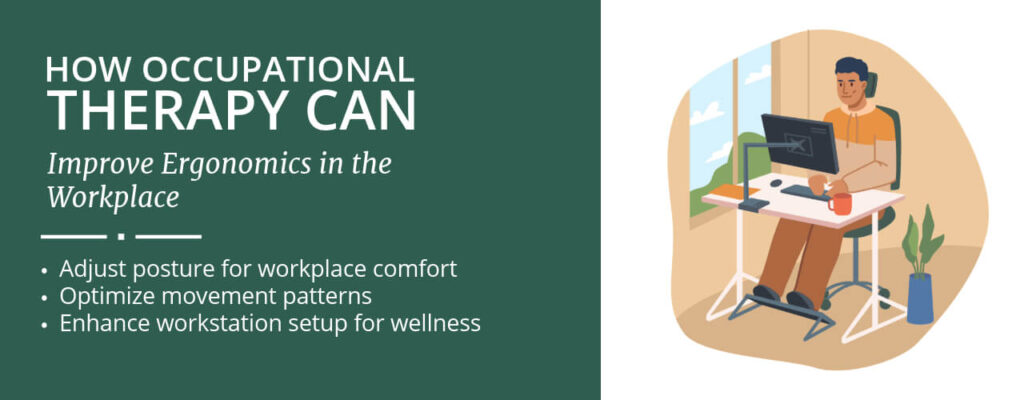
Work-related discomfort is more common than many realize. Poor posture, repetitive movements, and prolonged sitting can all contribute to aches, stiffness, and reduced productivity. Fortunately, occupational therapy offers practical solutions to help individuals stay comfortable and effective at work. Through tailored strategies and education, occupational therapists help people optimize ergonomics in the workplace, reduce strain, and prevent injury.
At Go Aurora Physical Therapy, our occupational therapy team works with patients to assess work habits, identify risks, and create sustainable routines that support long-term wellness and function.
How Occupational Therapy Improves Ergonomics in the Workplace
Occupational therapists provide individualized recommendations based on your job requirements and physical needs. Their approach to improving ergonomics in the workplace includes:
Posture Training
- Teaching neutral spine alignment and healthy sitting or standing habits
Workstation Adjustments
- Repositioning screens, keyboards, chairs, and tools for improved support
Movement Strategies
- Encouraging breaks, task variation, and stretching to reduce fatigue
Adaptive Tools or Equipment
- Recommending items like supportive chairs, footrests, or wrist supports
Education on Body Mechanics
- Showing how to lift, reach, and type with less strain
Each recommendation is made with your comfort and job performance in mind. The goal is to reduce injury risk while promoting focus and productivity.
Common Questions People Ask About Ergonomics in the Workplace
What is workplace ergonomics, and why does it matter?
Ergonomics refers to designing tasks, tools, and work environments to fit the individual. The goal is to reduce strain on the body and improve comfort and performance during daily job duties. Poor ergonomics can lead to cumulative stress on muscles, joints, and tendons—especially in the neck, shoulders, back, wrists, and hands.
Occupational therapists help by identifying and addressing areas that may contribute to discomfort or repetitive strain. This improves both safety and efficiency across a wide range of job settings.
How does an occupational therapist assess my workstation or job tasks?
An occupational therapist will start with a detailed evaluation that may include:
- Your daily tasks and movement patterns
- Workstation setup, including chair, desk, monitor, and tool placement
- Posture during seated and standing tasks
- Job-specific equipment use and repetitive motions
- Reported discomfort, fatigue, or past injuries
Using this information, the therapist recommends specific adjustments and teaches you how to move more efficiently and safely throughout the workday.
What are common signs that I may need ergonomic support?
Signs that your current setup or routine may be contributing to physical strain include:
- Ongoing neck, shoulder, or back pain
- Numbness or tingling in the hands or arms
- Eye strain or headaches after long periods of screen time
- Stiffness after sitting or standing for extended periods
- Difficulty staying focused due to discomfort
If you notice these symptoms, an occupational therapy ergonomic assessment can help you identify the cause and correct it early.
Can occupational therapy help even if I don’t have a desk job?
Yes. Ergonomics applies to all work environments, including manufacturing, healthcare, retail, education, and transportation. Occupational therapists can help employees who stand, lift, push, pull, or use tools regularly. Whether you are on your feet or at a computer, the principles of ergonomics still apply.
Therapists adapt their recommendations based on your tasks, work schedule, and environment to help you avoid unnecessary strain or injury.
What if I already have pain—can occupational therapy still help?
Absolutely. Many patients begin therapy after developing discomfort or early signs of repetitive strain. In these cases, occupational therapists focus on:
- Reducing current symptoms through posture correction and activity modification
- Teaching self-management strategies for flare-ups
- Identifying habits that may be aggravating your condition
- Restoring functional movement through guided activities
Even if symptoms are present, addressing ergonomics can prevent them from getting worse and help you stay active at work.
How quickly can I expect to feel a difference?
Improvements in comfort often begin within a few days of making ergonomic changes. However, long-term benefits depend on consistency and integrating the new strategies into your daily routine. Your occupational therapist will guide you through a sustainable plan and follow up to adjust recommendations as needed.
Let Go Aurora Physical Therapy Help You Work Smarter, Not Harder
Poor ergonomics can take a toll over time, but with the right guidance, you can reduce strain, prevent injury, and feel better throughout your workday. Occupational therapy offers personalized ergonomics in the workplace solutions that improve how you move, sit, and perform your job.
Contact Go Aurora Physical Therapy today to schedule your ergonomic evaluation and take the first step toward greater comfort, productivity, and wellness at work.