
Addressing Head Injuries After a Motor Vehicle Accident
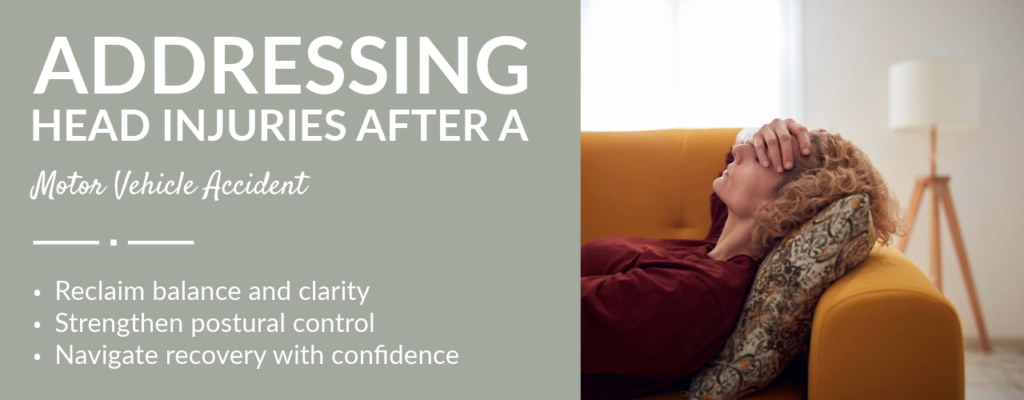
Experiencing a car accident is often sudden, frightening, and life-changing. Among the most serious outcomes are head injuries, which can range from mild concussions to severe traumatic brain injuries. If left untreated, these injuries can lead to long-term complications affecting memory, balance, and overall quality of life.
Fortunately, the team at Go Physical Therapy Balance Mobility Aquatics & Cancer Center is here to guide you through a full rehabilitation after suffering a head injury. We want to help you understand the risks, symptoms, and recovery options you can expect when you visit our Grand Island, NE clinic.
Why Car Crashes Can Lead to Head Injuries
A motor vehicle accident can subject your head to sudden force in various ways, including direct impact with a surface, whiplash-type motion, or rapid deceleration. This force causes the brain to jostle violently around in the skull, which can lead to a number of different head injuries, including:
Concussion
- A mild traumatic brain injury that can cause headaches, dizziness, and confusion
Contusion
- A bruise on the brain tissue that may lead to swelling or bleeding
Diffuse Axonal Injury
- Damage to the brain’s connective fibers, often resulting in more severe and widespread symptoms
Skull Fracture
- A break in the skull that can threaten brain integrity and require immediate attention
Recognizing the Warning Signs Before They Worsen
The biggest challenge with head injuries is that they do not present obvious symptoms right away. Even without visible wounds, underlying damage can progress if not identified and treated early.
Furthermore, symptoms can vary widely and may appear immediately or develop over hours or days. Early recognition is key to avoiding long-term complications.
Here are some symptoms to watch out for, although keep in mind that you might not necessarily experience all of them:
- Persistent headache or pressure in the head
- Nausea or vomiting
- Dizziness or loss of balance
- Blurred or double vision
- Sensitivity to light or sound
- Confusion, memory loss, or difficulty concentrating
- Slurred speech
- Sudden changes in mood or behavior
- Loss of consciousness, even briefly
Turning the Corner: Effective Solutions for Recovery
Recovering from head injuries requires a combination of professional treatment, guided rehabilitation, and self-care. Our team offers comprehensive, evidence-based solutions to help patients regain function, reduce pain, and rebuild confidence.
In-Clinic Physical Therapy Options at Go Physical Therapy Balance Mobility Aquatics & Cancer Center
Our treatment programs for post-accident head trauma may include:
Manual Therapy
- Hands-on techniques to relieve tension, promote circulation, and support healing.
Vestibular Rehabilitation
- Specialized exercises to improve balance and reduce dizziness.
Cervical and Postural Therapy
- Addressing neck alignment and posture to reduce strain on the head and spine.
Neuromuscular Re-education
- Techniques to retrain the brain and muscles for better coordination.
Gradual Return-to-Activity Programs
- Carefully planned steps to ease back into work, exercise, and daily routines.
Self-Care and Lifestyle Adjustments
Outside of the clinic, you can support recovery and reduce the likelihood of setbacks by:
- Resting adequately and avoiding overstimulation in the early stages of healing.
- Staying hydrated to support brain function and circulation.
- Limiting screen time if you experience headaches or visual strain.
- Following a gentle exercise plan approved by your therapist.
- Maintaining good posture to relieve strain on neck and head structures.
- Monitoring symptoms daily and reporting any changes to your care provider.
By combining professional treatment with smart self-care, patients often experience faster recovery times and reduced risk of long-term complications.
Early, Personalized Care for Your Head Injury
No two head injuries are exactly alike, which is why personalized treatment is so necessary. At Go Physical Therapy Balance Mobility Aquatics & Cancer Center, our team tailors each program to match your symptoms, injury type, and recovery goals. We work alongside your physicians to ensure a coordinated care approach that addresses both the physical and cognitive effects of your injury.
If you have been in a motor vehicle accident and suspect a head injury, don’t wait to seek help. The sooner treatment begins, the better your chances for a full recovery. So take the first step today and schedule an appointment at our Grand Island, NE clinic to start a recovery plan designed for your unique needs.