
What to Expect During Your Surgical Recovery Timeline
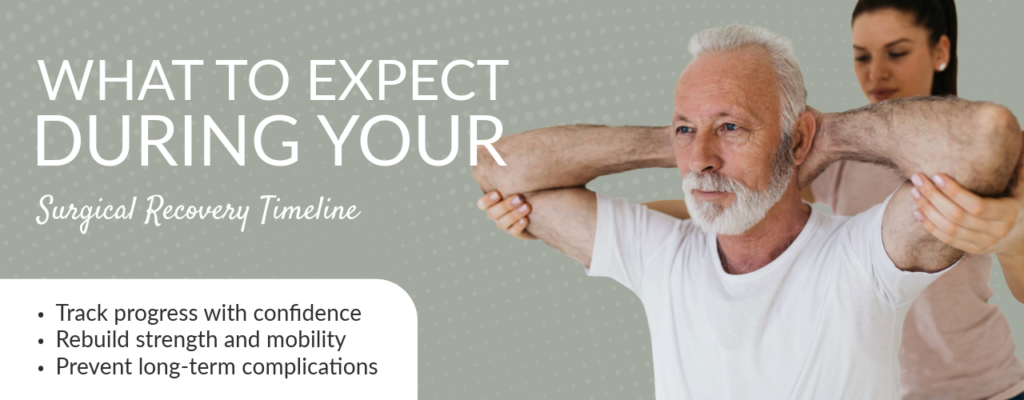
Recovering from surgery is a journey that unfolds in stages, each with its own milestones, challenges, and goals. Understanding the surgical recovery timeline can help you prepare mentally and physically, set realistic expectations, and play an active role in your rehabilitation.
Today, the Go Physical Therapy Balance Mobility Aquatics & Cancer Center team walks you through the typical phases of post-surgical rehab and answers some of the frequently asked questions we get about each stage. That way, you know what you can expect after your surgery.
The Phases of Healing: What You Need to Know
Phase 1: Immediate Post-Operative Period
The first few days to two weeks after surgery are all about protecting the surgical site, managing pain, and preventing complications. We also introduce early supervised movement (when appropriate) during this stage to reduce stiffness and improve circulation.
Your Phase 1 Questions Answered
When can I start moving the affected area?
- Your surgeon and physical therapist can let you know when it’s safe to get moving again, but most patients can begin careful range-of-motion exercises within days.
How can I reduce swelling and pain?
- Icing, elevation, and prescribed medications are key tools during this stage.
What activities should I avoid?
- Any high-impact or unapproved movement that could stress the surgical site.
Phase 2: Early Rehabilitation
From weeks two to six, our emphasis shifts toward restoring mobility and muscle activation. Structured rehab during this period helps reduce the risk of long-term complications by:
- Gradually improving joint mobility
- Encouraging proper healing alignment
- Building a foundation for strength training
Your Phase 2 Questions Answered
How much exercise is safe right now?
- Low-intensity, therapist-guided exercises that avoid strain on the surgical site.
Is soreness normal during this phase?
- Mild soreness is expected, but you should definitely report sharp or worsening pain to your PT.
When can I return to daily activities?
- Light activities may resume with your therapist’s approval. We can guide you on what you can and can’t do at each healing phase.
Phase 3: Progressive Strengthening
Your program will include more targeted strengthening and balance training around weeks six to twelve. This is essential for rebuilding muscle endurance and preventing re-injury. During phase 3, we focus on:
- Improving muscle control around the surgical area
- Restoring normal movement patterns
- Enhancing stability for everyday tasks
Your Phase 3 Questions Answered
Will I be able to exercise like before surgery?
- In many cases, yes, but it takes time. Progress through the surgical recovery timeline is gradual, and returning to pre-surgery levels may take several months.
How often should I attend therapy at this phase?
- Frequency depends on your progress and your therapist’s recommendations.
Is it safe to push myself harder now?
- “Pushing yourself” can lead to unintentional setbacks. Our physical therapists will help you safely build intensity so you can meet your recovery goals.
Phase 4: Return to Full Activity
We focus on improving your overall function from three months onward, including restoring sport-specific skills. We’ll incorporate drills focused on agility, coordination, and power.
During this phase, you’re likely no longer experiencing pain and may even feel like you’ve recovered. But not so fast! This phase is still crucial. It:
- Restores pre-surgery performance levels
- Improves confidence in movement
- Reduces fear (and risk) of re-injury
Your Phase 4 Questions Answered
When will I be fully rehabilitated?
- It depends on the specific surgery you had, but for many, full recovery can take six months to a year.
Can I stop therapy now?
- Discontinuing too early can slow progress or increase re-injury risk.
Do I still need to do home exercises?
Yes. Maintenance exercises support lasting results.
How to Make the Most of Your Post-Surgical Rehabilitation
Optimizing your surgical recovery timeline involves following your rehabilitation plan consistently, listening to your body, and maintaining open communication with your healthcare team. At Go Physical Therapy Balance Mobility Aquatics & Cancer Center, we found that patients who actively engage in their rehab achieve better outcomes and recover faster.
Key Tips for Success
- Attend all scheduled therapy sessions
- Perform home exercises as prescribed
- Report unusual symptoms promptly
- Maintain good nutrition and hydration
Scheduled for Surgery? Give Us a Call!
Your surgical recovery is unique, but understanding the general phases helps you feel informed and empowered. With the right guidance, each stage brings you closer to a full, confident return to your daily life.
Contact Go Physical Therapy Balance Mobility Aquatics & Cancer Center today to schedule your post-surgical rehabilitation appointment and begin a recovery plan tailored to your needs.