
Effective Vestibular Rehabilitation Exercises
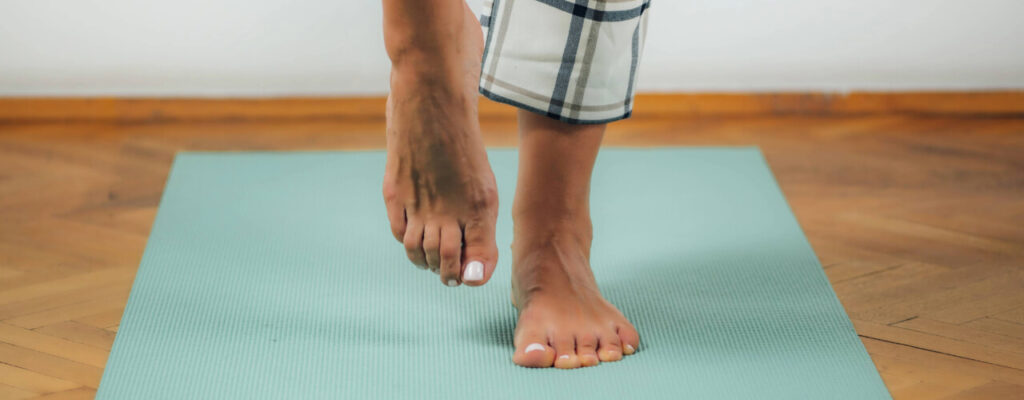
Dizziness, balance issues, and vertigo can make everyday activities challenging–and many people don’t realize that physical therapy can help, especially through a specialized approach called vestibular rehabilitation. Vestibular rehabilitation exercises are designed to retrain the brain and body to improve stability, regain confidence in movement, and reduce fall risk.
At Go Physical Therapy, we offer vestibular rehabilitation exercises as part of our comprehensive approach to physical therapy. These targeted exercises are backed by research and tailored to each patient’s needs. Below, we explore how vestibular rehabilitation works and the specific exercises that can help restore balance and coordination.
What Is Vestibular Rehabilitation?
Vestibular rehabilitation is a specialized therapy designed to address inner ear and balance-related disorders. The vestibular system, located in the inner and cerebellum, helps control balance, spatial orientation, and eye movements. When this system is disrupted, it can cause vertigo (a spinning sensation), dizziness, and general instability.
Vestibular addresses these issues by:
- Improving balance and coordination
- Reducing bouts of vertigo or dizziness
- Enhancing stability during movement
- Strengthening the connection between the eyes, brain, and inner ear
Key Vestibular Rehabilitation Exercises
1. Gaze Stabilization Exercises
Keeping your eyes focused while moving your head is essential for daily activities like reading, walking, and driving. When the vestibular system is impaired, sudden movements can cause blurry vision or dizziness. Gaze stabilization exercises train the brain to improve eye control and reduce motion-induced discomfort.
These exercises work by repeatedly challenging the vestibulo-ocular reflex (VOR), which maintains steady vision while your head moves. Over time, the brain strengthens its ability to adjust eye movements, making it easier to focus on objects without experiencing dizziness or visual disturbances.
2. Balance Training
A damaged vestibular system can affect spatial awareness, making it difficult to maintain balance when standing, walking, or turning. Balance training exercises help the brain and body work together more efficiently to improve stability.
These exercises challenge your body’s ability to maintain equilibrium by incorporating different surfaces, movements, and postures. Over time, they enhance proprioception—your body’s ability to sense its position in space—allowing for smoother, more controlled movements. This training is especially beneficial for people at risk of falls, as it strengthens muscles and improves reaction times.
3. Habituation Exercises
Many people with vestibular disorders experience dizziness triggered by certain movements, such as turning their heads quickly or standing up suddenly. Habituation exercises help the brain adapt to these motions by gradually exposing it to controlled movements that provoke symptoms.
Repeatedly performing these movements in a safe and structured way helps the brain learn to filter out abnormal vestibular signals and gradually reduce the severity of symptoms. This process allows the nervous system to adjust and compensate for vestibular dysfunction.
4. Optokinetic Exercises
If you feel dizzy or disoriented in environments with constant motion—such as busy streets, scrolling screens, or moving vehicles—optokinetic exercises can help desensitize your brain to these stimuli. These exercises train the visual and vestibular systems to work together more efficiently, improving motion tolerance and reducing symptoms like nausea or unsteadiness.
Optokinetic training gradually exposes the brain to controlled visual motion, enhancing your body’s ability to interpret moving surroundings without triggering dizziness. This type of exercise is especially useful for individuals recovering from concussions or inner ear disorders.
How Vestibular Rehabilitation Exercises Can Help You
Vestibular rehabilitation exercises are effective for improving balance, reducing vertigo, and restoring confidence in movement. At Go Physical Therapy, our physical therapists will work closely with you to create a customized vestibular rehabilitation program and ensure you’re performing your prescribed exercises correctly.
Schedule an appointment today and take the first step toward feeling steady and secure again.