
Caring for Aging Limbs: Lymphatic Therapy’s Impact on Edema Management
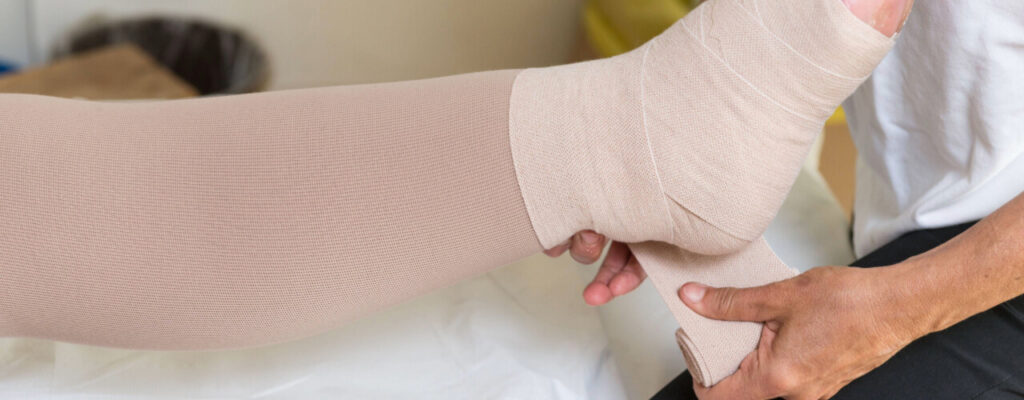
Understanding how lymphatic therapy works is essential for those dealing with swelling in their limbs. Edema, which often occurs due to aging, surgery, or certain medical conditions, can significantly impact comfort, mobility, and overall quality of life. Unfortunately, many assume that swelling is a natural part of aging and that nothing can be done. However, this belief can prevent people from seeking effective solutions. Lymphatic therapy for edema management at Go Physical Therapy Pelvic Rehabilitation Center offers proven methods to reduce swelling, promote mobility, and enhance daily living. With the right support and treatment plan, managing edema becomes more achievable.
Myth vs. Fact: Breaking Down Common Misconceptions
Myth 1: Edema is just water retention and will go away on its own.
Fact: Edema involves the buildup of fluid in the tissues, which can persist and worsen if left untreated. Unlike temporary water retention, persistent swelling requires a structured approach. Lymphatic therapy for edema management stimulates the lymphatic system, encouraging fluid movement and reducing swelling effectively. Without proper treatment, chronic edema can lead to more serious issues like skin infections or restricted mobility.
Myth 2: Only medications can manage edema.
Fact: While medications might help in some cases, they are not the only solution. Lymphatic therapy offers a non-pharmaceutical approach by promoting the body’s natural ability to drain lymphatic fluid. This therapy uses gentle, rhythmic movements to stimulate lymph flow, supporting the immune system and improving limb health without relying solely on medications.
Myth 3: Exercise makes edema worse.
Fact: When done correctly and under the guidance of qualified professionals, specific movements and activities actually help manage edema. Exercise enhances lymphatic flow, supports circulation, and reduces swelling. Controlled and appropriate physical activity plays a critical role in sustaining the improvements made through therapy sessions. Lymphatic therapy for edema management complements these movements, ensuring that exercises are safe and effective.
Myth 4: Lymphatic therapy is painful.
Fact: One of the key benefits of lymphatic therapy for edema management is its gentle approach. The techniques used involve light and rhythmic pressure, making the sessions comfortable and relaxing. The goal is to stimulate lymph flow without causing discomfort, ensuring that patients feel at ease during and after their therapy sessions.
Myth 5: Edema affects only the elderly.
Fact: Although aging increases the risk of edema, people of all ages can experience it. Surgery, injury, pregnancy, and underlying health conditions can all contribute to fluid retention. Lymphatic therapy serves a broad population, providing relief to anyone dealing with this condition.
Why Understanding These Facts Matters
Recognizing the truth about edema and its management has a direct impact on health outcomes. Misunderstandings often delay effective care, leading to prolonged discomfort, limited mobility, and complications such as skin infections and tissue damage. Proper knowledge about lymphatic therapy for edema management empowers individuals to seek timely treatment. Early intervention can prevent edema from worsening, ensuring better long-term results.
When individuals understand that non-invasive, comfortable solutions exist, they are more likely to pursue appropriate care. This leads to improved mobility, reduced pain, and enhanced overall well-being.
Taking the Right Steps Toward Relief
Managing edema effectively requires both informed decisions and professional support. Here’s how individuals can take proactive steps:
Consult Trained Professionals
- Working with certified therapists ensures a personalized treatment plan that suits individual needs.
Engage in Recommended Movements
- Gentle, guided activities support circulation and lymphatic drainage, aiding in long-term edema management.
Monitor Limb Health
- Regular checks for changes in swelling, skin texture, and overall limb health help detect issues early and allow for timely adjustments to treatment plans.
Adopt Healthy Habits
- Staying hydrated, maintaining a balanced diet, and elevating affected limbs when necessary support the body’s natural lymphatic functions.
Understand Treatment Options
- Beyond lymphatic therapy, additional supportive measures may complement treatment plans, all tailored to each person’s specific health profile.
Moving Forward with Confidence
Understanding how lymphatic therapy for edema management works makes a significant difference in improving mobility, comfort, and overall quality of life.
With proper guidance from trained professionals, patients can regain mobility, reduce discomfort, and live more active lives. Taking proactive steps ensures that swelling does not become a barrier to enjoying daily activities. If you or a loved one is dealing with edema, now is the time to call Go Physical Therapy Pelvic Rehabilitation Center!