
Post-Stroke Communication Recovery with Speech Therapy
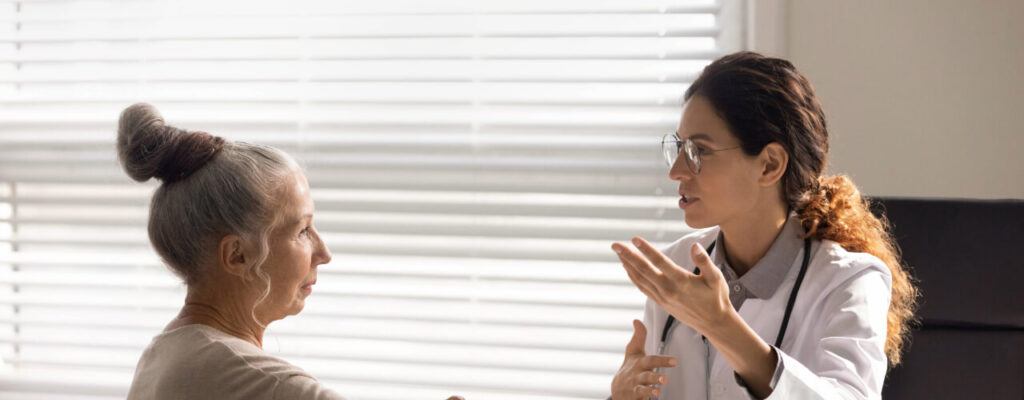
A stroke can profoundly affect your life in several ways–including your ability to communicate. Regaining your communication skills involves a combination of determination, support, and specialized therapy. Post-stroke communication recovery with speech therapy offers hope and measurable progress for individuals facing such challenges.
To explore how speech therapy at Go Physical Therapy can significantly improve the life of a stroke survivor, we want to share David’s story (his name has been changed) and how speech therapy helped him restore his ability to communicate.
Understanding David’s Post-Stroke Communication Challenges
After suffering a stroke in his mid-60s, David found himself struggling with speech and understanding language. These difficulties, known as aphasia, made even simple conversations frustrating.
David knew what he wanted to say–but could not express it. He had trouble forming sentences, and his words often came out jumbled or incomplete, making it harder for others to understand him.
However, David also struggled to understand others. Conversations felt confusing and overwhelming, and David could feel himself withdrawing from social situations.
David’s experience is not uncommon. Because strokes affect the brain, symptoms can be wide-ranging. Many stroke survivors experience aphasia, as David did. However, some people also experience paralysis of the muscles used for speaking, which also makes communication a challenge.
Fortunately, post-stroke communication recovery helps address these difficulties.
How Speech Therapy Transformed David’s Post-Stroke Recovery
David’s speech therapy sessions focused on improving his ability to express himself and understand others. His therapist worked closely with him to create a personalized treatment plan addressing his specific needs.
How Speech Therapy Helped David
1. Rebuilt Language Skills
We guided David through exercises to strengthen his ability to find words, form sentences, and understand spoken language. For example, we asked David to practice naming everyday objects and engaged him in simple conversational role-play. We also incorporate visual aids to help him connect words and images.
Over time, David became more confident in his ability to hold conversations.
2. Improved Nonverbal Communication
Despite his improvements, David still occasionally found it challenging to find the right words. To ensure he could still communicate, we showed David strategies to communicate nonverbally, such as through gestures and facial expressions. These skills ensured he could still express his needs and emotions while rebuilding his verbal communication.
3. Encouraged David to Practice At Home
We often incorporate technology and other tools to aid recovery, particularly when our clients aren’t in the clinic. For David, at-home exercises using a speech therapy app helped reinforce what he learned during sessions. These tools provided instant feedback and encouraged him to practice regularly.
4. Encouraged David’s Family to Aid his Recovery
David’s family played a big role in his progress. We gave them tips to help David practice conversational skills at home, emphasizing patience and encouragement to reduce frustration. David and his family also celebrated small victories to keep his motivation high.
This collaborative approach made therapy more effective and strengthened David’s support network.
Take the First Step Toward Post-Stroke Communication Recovery
If you or a loved one is facing communication challenges after a stroke, know that help is available. At Go Physical Therapy, our experienced therapists are dedicated to guiding patients like David through their recovery journey.
Contact us today to learn how we can support post-stroke communication recovery with speech therapy. Together, we’ll work toward rebuilding essential communication skills and improving quality of life. Schedule an appointment to get started!