
Post-Surgical Rehab: The Role of Occupational Therapy in Recovery
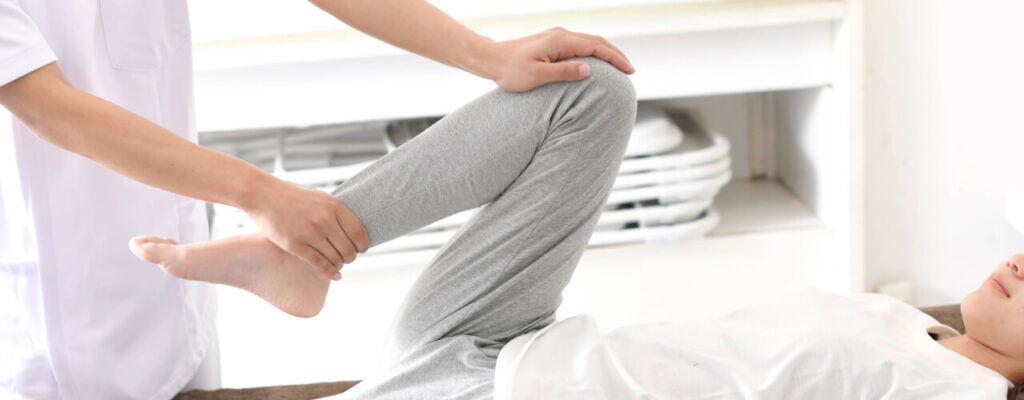
Recovering from surgery is a complex process. It’s not just about healing your surgical wounds but about regaining your everyday strength, function, and independence. While physical therapy is essential to post-surgical rehab, occupational therapy plays an equally vital role. Fortunately, we offer both at Go Physical Therapy.
Occupational therapy is a specialized healthcare field that helps patients regain the skills needed to perform everyday tasks. This includes everything from dressing and cooking to returning to work or hobbies.
Where physical therapy focuses on improving your strength and overall movement after surgery, occupational therapy is crucial for improving your overall quality of life, especially when procedures impact mobility or independence.
With this blog, we want to explore occupational therapy’s role in post-surgical rehab in more detail. Keep reading to learn more!
The Key Benefits of Occupational Therapy in Post-Surgical Recovery
Occupational therapy bridges the gap between medical treatment and the realities of your day-to-day life. Here’s how it can help you as you recover from surgery:
Managing Pain and Swelling
Pain and swelling can make post-surgical rehab challenging, especially in the first few weeks of your recovery. Occupational therapy uses careful techniques to improve circulation, reduce post-surgical swelling, and improve joint mobility. These methods work hand-in-hand with physical therapy to facilitate healing.
Adapting Your Environment
An important part of occupational therapy is helping you modify your environment to suit your recovery needs. This might include recommending ergonomic tools for comfort and safety or suggesting home modifications to meet your needs, such as grab bars or raised seating. These modifications make recovery safer and more manageable.
Restoring Independence
Surgery can make basic tasks challenging. Our therapists can teach you how to safely get dressed, prepare meals, or perform personal hygiene as you work through your rehabilitation. We can also suggest energy-saving techniques to reduce strain during recovery, helping you regain confidence and independence at your own pace.
How Occupational Therapy Complements Physical Therapy
While physical therapy focuses on rebuilding strength and mobility, occupational therapy goes a step further by integrating these improvements into daily life. Together, they form a comprehensive recovery plan to help you apply post-surgical rehab exercises in real-world scenarios.
Combining occupational and physical therapy also ensures you address large movements (like walking) and fine motor movements (like writing or using tools). The result? You achieve a well-rounded recovery that addresses both physical and functional goals.
What are Some Occupational Therapy Techniques Used in Post-Surgery Rehab?
Therapeutic Exercises
- Focused on strengthening muscles and improving range of motion in affected areas.
- Designed to prevent complications, such as long-term mobility restrictions
Splinting and Bracing
- Custom-made supports to protect surgical sites and promote proper healing
- Helps manage conditions like tendon repair or joint replacement
Fine Motor Skill Development
- Exercises to improve hand and finger dexterity after hand or wrist surgeries
- Includes activities that restore grip strength and coordination
Take Control of Your Recovery Today
Recovering from surgery can feel overwhelming, but you don’t have to face it alone. At Go Physical Therapy, our experienced therapists are here to guide you every step of the way. Whether you need help regaining independence or adapting to new challenges, our approach to post-surgical rehab will support your journey toward recovery.
Contact us today to schedule your initial appointment. Let us help you rebuild your life, one step at a time.