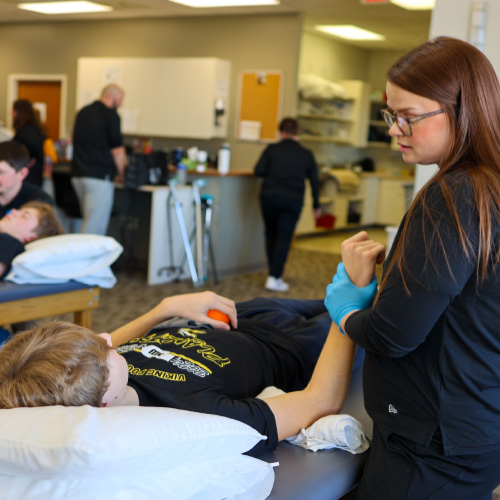
Occupational Therapy Month
Are you struggling with pain, a medical condition, or mobility issues that make daily activities difficult and keep you from doing what you love? Occupational therapy is a great way to learn how to get over these hurdles, improve performance and lower your pain symptoms.
Want to learn how occupational therapy can help relieve pain and enhance your abilities? If so, contact GO Physical Therapy today to request an appointment.
What is Occupational Therapy?
The American Occupational Therapy Association defines occupational therapy as “the only profession that helps people across the lifespan to do the things they want and need to do through the therapeutic use of daily activities (occupations). Occupational therapy practitioners enable people of all ages to live life to its fullest by helping them promote health, and prevent—or live better with—injury, illness, or disability.”
Occupational therapy supports individuals of all ages—helping children with disabilities thrive in school and social settings and assisting seniors in maintaining physical and cognitive well-being.
One example of the ways an OT can improve a patient’s daily function is through adaptations. For instance, if a patient is having trouble feeding themselves, an occupational therapist can help them to make adjustments and adaptations to utensils to make mealtimes easier. This personalized approach makes occupational therapy an essential part of healthcare.
Occupational therapy is also a very common form of treatment for patients recovering from surgery, healing from injuries, or living with chronic conditions that affect their quality of life.
Some conditions/situations where an OT’s guidance and care can be beneficial are as follows:
- Tendinitis
- Multiple sclerosis
- Parkinson’s disease
- Orthopedic conditions
- Recovery after burns/scar management
- Neurological conditions
- Carpal tunnel syndrome
- Down’s syndrome
- Cerebral palsy
- Autism
- Asperger’s syndrome
How Can Occupational Therapy Improve Your Life?
1. Occupational therapy can improve your balance.
Balance normally declines as bones become brittle with age, and there are various health issues that can influence your balance. Improving your balance will help you prevent trips and falls, which can result in catastrophic injuries.
It can also help you participate in and enjoy more demanding activities that you may not have been able to do previously. Whether you’re standing, walking, or exercising, an occupational therapist can give you a variety of exercises to help you improve your balance.
2. Occupational therapy can speed up your recovery time.
If you’ve previously undergone surgery or experienced an injury, an occupational therapy program might be designed to help you get back on your feet. Your occupational therapist will design a rehabilitation program that is tailored to your unique needs, with the goal of assisting you in recovering as rapidly as possible. Strength and range of motion exercises, as well as any specialty therapies recommended by your occupational therapist, may be included.
3. Occupational therapy can help you avoid injuries.
Occupational therapy aids in the recovery of injuries, but most people are unaware that it can also aid in the prevention of injuries. Your occupational therapist can give you a variety of exercises to undertake at home and before engaging in physical activity to help you avoid injury. If you’re recovering from surgery, your occupational therapist can teach you new techniques to walk and move that will help you stay active while lowering the risk of falling and injury.
What to Expect From Occupational Therapy
If you’re struggling to do everyday activities such as showering, getting out of bed, opening doors, or getting dressed, occupational therapy could be a great option for you.
GO Physical Therapy’s occupational therapy plans include:
- An individual assessment to determine conditions, pain points, abilities, and patient goals.
- Customized activities focused on the improvement of daily tasks and activities.
- A final evaluation to determine if goals were met and to make changes to the plan/create another treatment plan of action if necessary.
Occupational therapy and physical therapy complement each other and can be integrated into care plans to support patients with a wide range of conditions in regaining mobility, improving flexibility and range of motion, and restoring independence in their daily routines.
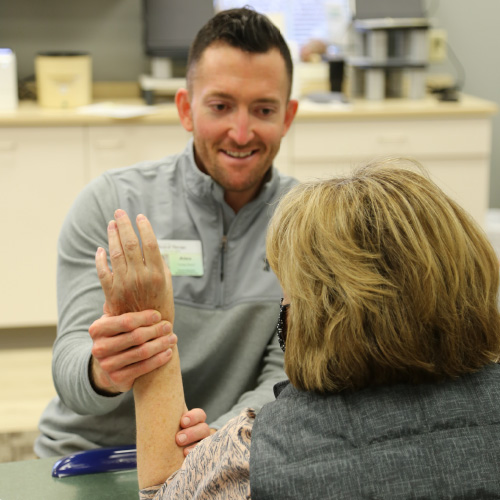
Improve Your Health With Occupational Therapy Today
Ready to improve your quality of life and get back to doing what you love? Schedule an appointment with GO Physical Therapy today to discover the life-changing benefits of occupational therapy!
Seasonal Recipe:
Spring Asparagus Risotto
Ingredients
- 4 cups (1-inch) sliced asparagus (about 1 1/2 pounds), divided
- 3 cups fat-free, low-sodium chicken broth
- 1 1/2 cups water
- 1 tbsp butter
- 2 cups chopped onion (about 1 large)
- 2 cups uncooked Arborio or other medium-grain rice
- 1/2 cup dry white wine
- 1 cup (4 ounces) grated fresh Parmigiano-Reggiano cheese, divided
- 1/4 cup heavy whipping cream
- 1 tsp salt
- 1/2 tsp freshly ground black pepper
Directions
Place 1 cup asparagus and 1 cup broth in a blender; puree until smooth. Combine puree, remaining 2 cups broth, and 1 1/2 cups water in a medium saucepan; bring to a simmer (do not boil). Keep warm over low heat. Melt butter in a large heavy saucepan over medium heat. Add onion to pan; cook 8 minutes or until tender, stirring occasionally. Stir in rice; cook 1 minute, stirring constantly. Stir in wine; cook 2 minutes or until liquid is nearly absorbed, stirring constantly. Add 1/2 cup broth mixture; cook 2 minutes or until the liquid is nearly absorbed, stirring constantly. Add remaining puree mixture, 1/2 cup at a time, stirring constantly until each portion of broth is absorbed before adding the next (about 30 minutes total). Stir in remaining 3 cups asparagus; cook 2 minutes. Stir in 3/4 cup cheese, cream, salt, and pepper. Transfer risotto to a bowl. Serve with remaining 1/4 cup cheese.
Thank You for Subscribing to GO Physical Therapy
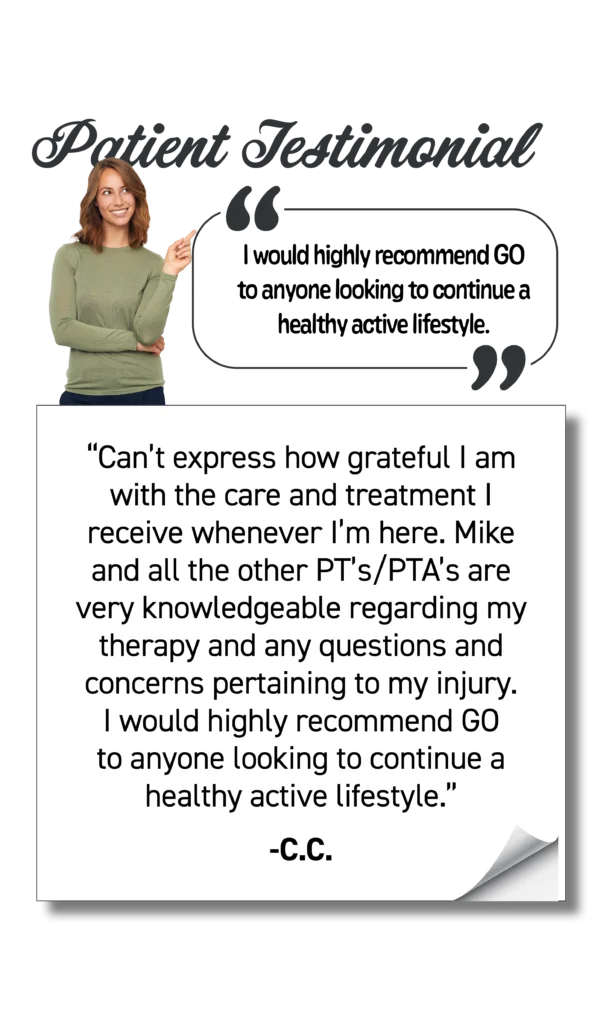
Exercise of the Month
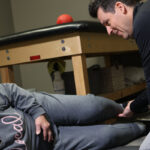
Hip Flexor Stretch — Edge of Table
Start seated with your butt on the edge of the table. Lie back so that your head is on a pillow and pull both knees to your chest. Slowly lower the leg you want to stretch and straighten it so it hangs off the table. Hold for 30 seconds.


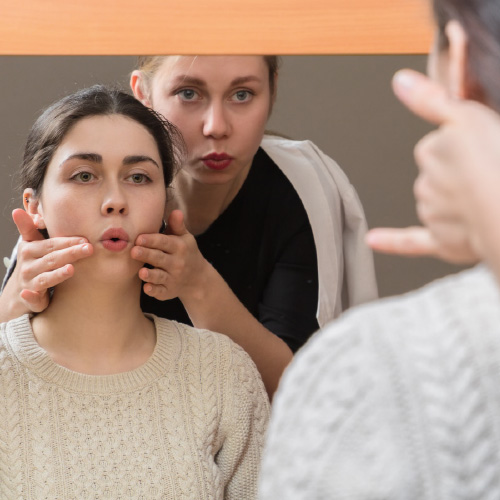
Improve Communication with Our Expert Speech Therapy Services
At GO Physical Therapy, we’re proud to offer comprehensive speech therapy services to help patients of all ages improve their communication, cognitive skills, and swallowing function. Whether you’re recovering from a stroke, managing a neurological condition, or seeking support for speech and language development, our expert speech-language pathologists (SLPs) provide personalized treatment tailored to your needs.
Our speech therapy services address:
- Speech and Language Disorders – Improve articulation, fluency, and language processing.
- Cognitive-Communication Deficits – Enhance memory, problem-solving, and executive function.
- Voice and Resonance Issues – Strengthen vocal quality and control.
- Swallowing Disorders (Dysphagia) – Restore safe and effective swallowing function.
With a patient-centered approach, our team utilizes evidence-based techniques to help you regain confidence in communication and everyday activities. If you or a loved one could benefit from speech therapy, contact us today to schedule an evaluation!

How Did We Do?
Click the link below to let us know how we’re doing! Leaving a review of your experience will help others to get the help that they deserve. We can’t wait to see you again!