

The Difference Between Back Pain and Sciatica
Have you been told your persistent lower back pain is really sciatica? Did you know specific signs and symptoms can clarify what condition you’re dealing with? Far too often, these terms are used interchangeably or, worse yet, inaccurately. Fortunately, at Go Physical Therapy, our skilled physical therapists can clear it up for you and set you on the right path to relief!
Back pain and sciatica can be confusing and even intimidating, especially when you’re not sure what’s causing your discomfort. Whether from a car accident, lifting something heavy, or seemingly out of nowhere, both back pain and sciatica seem to have similar causes and even share some symptoms.
That’s where physical therapy comes in. Physical therapy is highly effective for both conditions. It helps reduce pain, improves mobility, and, most importantly, tackles the underlying issues to prevent future discomfort. With a tailored treatment plan, you can get back to doing what you love, pain-free.
Understanding the Difference Between Back Pain and Sciatica
Back pain and sciatica are sometimes used interchangeably, but they’re not the same. Lower back pain is generally localized, affecting the lumbar region of the spine. It can arise from muscle strains, herniated discs, or prolonged poor posture.
Sciatica, on the other hand, is more specific and involves pain that travels along the sciatic nerve. This nerve starts in the lower back and runs through the hips and buttocks down to each leg. The pain you feel could be shooting, burning, or even tingling, and it usually affects just one side of your body. To be a “true” sciatica,” nerve symptoms must be felt in the leg (specifically below the knee).
Common Causes of Back Pain and Sciatica
Lower Back Pain:
In most cases, lower back pain is caused by factors such as muscle strain, herniated discs, degenerative disc disease, arthritis, and other conditions.
Sciatica:
Most commonly caused by a herniated disc, bone spur where the nerve exits the spine, or narrowing of the spine (spinal stenosis) compressing part of the nerve.
Classic Symptoms of Back Pain and Sciatica
Lower Back Pain:
May include stiffness, muscle spasms, and difficulty in moving.
Sciatica:
Must consist of symptoms along the nerve root in the leg and typically include numbness, tingling, or muscle weakness in the affected leg or foot, in addition to pain.
It’s crucial to know the difference between the two because the treatment approaches differ. For example, sciatica might require attention to nerve compression issues, while lower back pain could be more muscle-related.
So, if you’re tired of enduring persistent pain, take action and call to schedule an appointment with our spine experts. Let us help you understand your condition and guide you toward effective relief.
Our Approach to Assessment and Treatment at Go Physical Therapy
If you are experiencing back pain or sciatica, it’s time to take action. Working with our experienced therapists can help you understand what you are dealing with and, most importantly, how to resolve it once and for all!
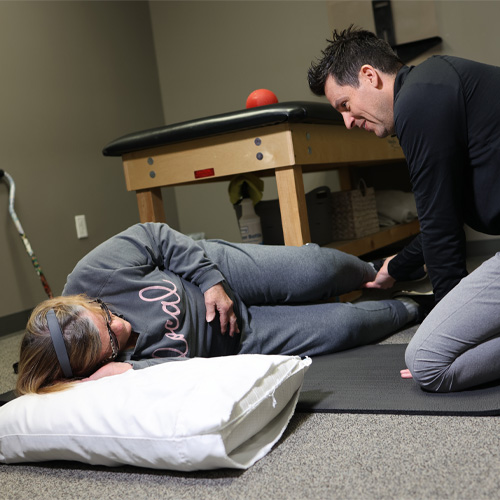
Whether you come to our clinic with lower back pain or sciatica, we will perform a thorough physical examination and medical history to provide you with solutions that work based on the findings.
Education:
Understanding what is going on and, more importantly, what you can do about it is one of the most effective solutions. Our physical therapists will make sure you have the information you need to be successful.
Manual Therapy
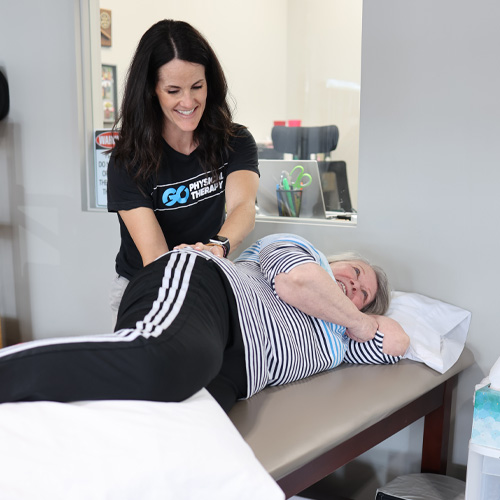
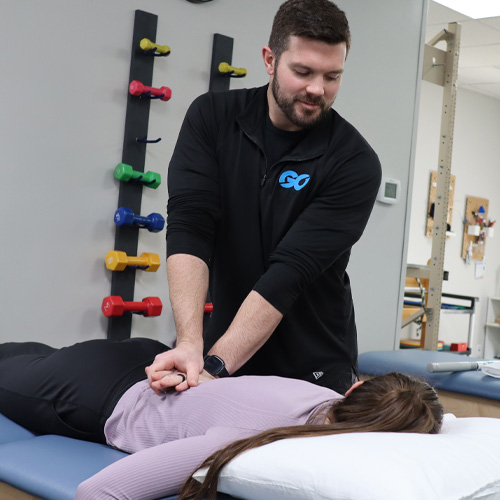
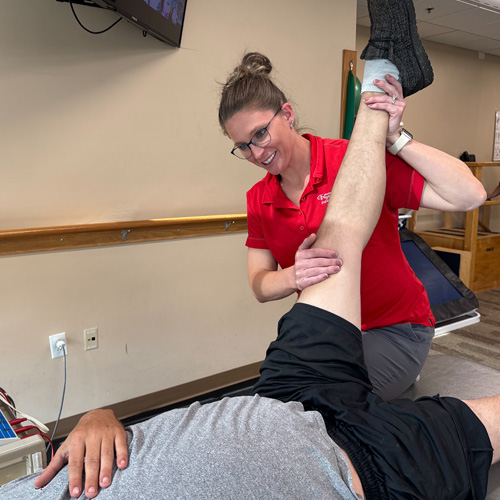
Manual therapies include a variety of methods, including joint mobilizations and manipulations that move one or more joints within normal ranges of motion to improve spinal joint motion or function. Our physical therapists may also use soft tissue techniques like myofascial release, trigger point releases, and other methods to help alleviate pain and allow for more mobility and improved function.
Targeted Exercises:
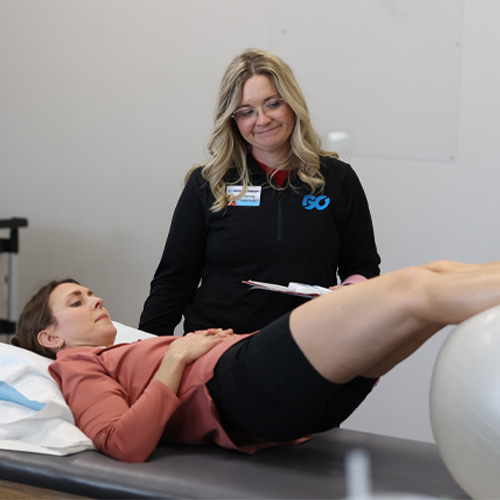
Our exercise programs include mobility exercises, proper postural exercises, nerve mobilization, or strength exercises. Our physical therapists will tailor your workouts, monitor you, and progress based on your individual needs.
Your well-being is our top priority. At Go Physical Therapy, we offer a proven approach to back pain and sciatica. Don’t let pain hold you back any longer. Call today and take the first step toward a pain-free life.
Thank You for Subscribing to GO Physical Therapy
How Physical Therapy Can Help Your Pickleball Injuries
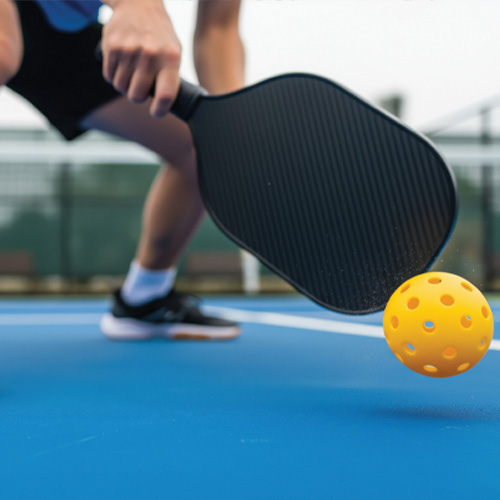
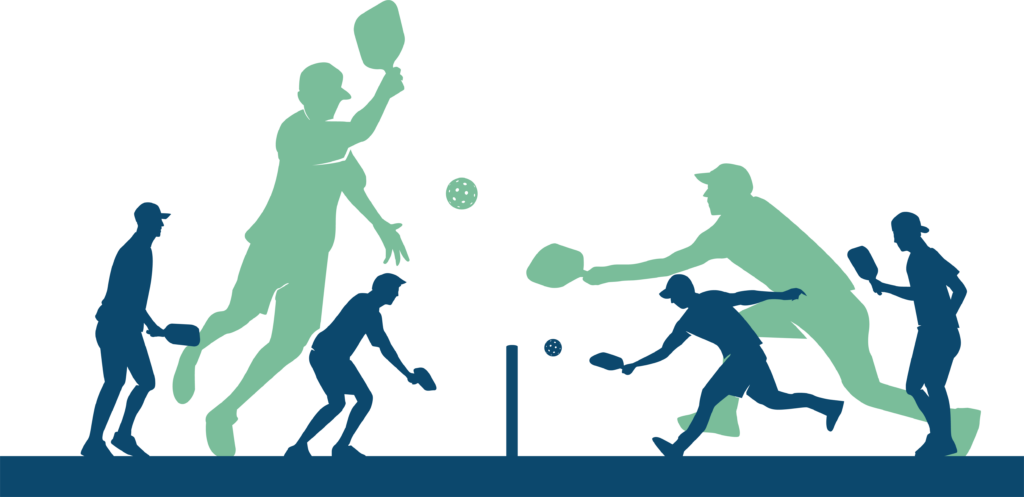
No matter what your skill level or experience with Pickleball, learning how to prepare your body correctly is the key to enjoying the sport. Pickleball is the fastest growing sport in America, and the game is gaining more and more players every day.
Pickleball is an easy and fun way to stay active. The sport is similar to other racquet sports and is often played on modified tennis courts.
Unfortunately, people jump right into the sport without any preparation or training to prepare their bodies for the demands on their muscles, tendons, and joints. At GO Physical Therapy, our physical therapists have proven success working with people of all ages to recover from injury and resume whatever sport they enjoy.
The Most Common Injuries Associated with Pickleball
As with any sport, injuries can be a part of playing the game of Pickleball. The sport’s popularity has opened it up to people of all ages. The game is easy to play for beginners and can also meet the requirements of a more competitive player with the possibility of a fast-paced match for singles or doubles. As the popularity grows, so too does the risk of injury.
The sport requires abrupt changes of direction and stopping and starting movements, all of which have been linked to non-contact injuries like sprains and strains. There is also the potential for falling and repetitive movement type injuries, especially to the upper extremities. Another potential risk of injury stems from the lack of preparation and the age of the deconditioned athletes.
The most common injuries in Pickleball include:
- Ankle sprains
- Achilles tendon injuries and inflammation
- Patella (knee cap) tendinopathies
- Hamstring, adductor (inner thigh), or quadriceps muscle strains
- Shoulder impingements and rotator cuff injuries
- Elbow tendonitis (Tennis elbow)
- Wrist fractures from falls
What to expect at physical therapy sessions
Physical therapy should start immediately following most injuries to ensure the fastest recovery possible. A physical therapist with experience treating sports-related injuries will conduct a thorough evaluation to determine the injury’s severity and identify any other factor that may affect your ability to recover promptly.
Next, your therapist at GO Physical Therapy will create a targeted, individualized treatment plan for you to promote an accelerated recovery plan and prevent future injuries associated with Pickleball.
For example, your physical therapist will guide you through exercises designed to help the injury and return to your pre-injury abilities. We will start with pain management and restoring mobility to the injured area.
Request an Appointment Today!
At GO Physical Therapy, our therapists are experts at treating Pickleball-related injuries. We have proven success with treating athletes of all skill levels and ages.
Call today to schedule an appointment with one of our specialists!

Enjoy a fresh, flavorful bite with these Smoked Salmon, Avocado, and Cucumber Bites—perfectly light yet satisfying for any occasion. With a delicious balance of creamy, crisp, and savory flavors, they’re an easy way to elevate your snacking or entertaining.