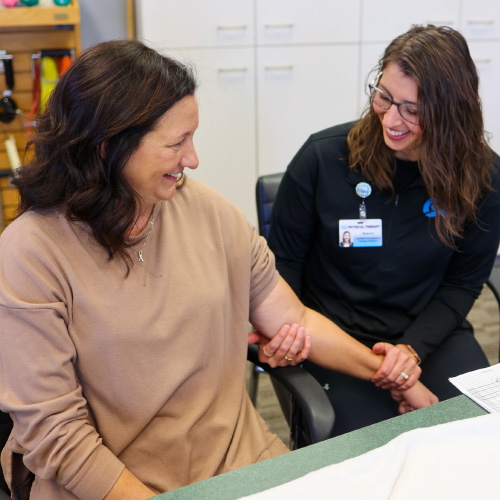
Bounce Back Quicker After Surgery
If you’re scheduled for an orthopedic surgery (such as a total joint replacement or an ACL repair), you probably already know you’ll need to undergo rehabilitation afterward with a physical therapist. But have you considered working with a PT before your surgery, too?
Pre-rehabilitation, sometimes called “prehab,” is a little less common than rehab, but it’s still an important part of the surgical process. Together, a structured pre- and post-surgical physical therapy program can help you maximize the benefits of your surgery.
We offer pre- and post-rehab here at GO Physical Therapy, and today, we want to explore both programs in detail. And if you’d like more personalized guidance, just contact our clinic to speak to our friendly staff!
What You Need to Know About Pre-Op Physical Therapy
Surgery can be incredibly tough on the human body. It’s a highly invasive procedure that brings with it a host of complications, such as blood clots, post-surgical pain, and more.
Standard rehabilitation works to minimize these risks after the fact. However, prehab takes a proactive approach, allowing you to improve strength, fitness, and pain levels before you have your procedure.
Think of it this way: No athlete goes into a big game unprepared. They spend time training to ensure their strength, endurance, and performance are the best they can possibly be. Prehab is the same way–you’re preparing your body for the “big game” of surgery.
What Are Some Benefits of Prehab?
- Improves strength and mobility, making surgery and recovery easier
- Reduces pain and swelling before surgery
- May help shorten hospital stays and overall recovery times
- Decreases the risk of complications
- Helps you understand what to expect after surgery, reducing anxiety.
What Can I Expect During Prehab?
- An initial evaluation in which one of our physical therapists assesses your strength, range of motion, balance, and pain level
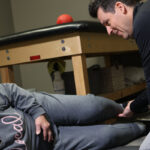
- Various pain management techniques, including manual therapy, ice/heat, or electrical stimulation, to help reduce discomfort
- A therapeutic exercise program consisting of specific exercises to target weak or stiff areas, improve circulation, and support surrounding joints
- Personalized endurance training consisting of low-impact cardiovascular activities to increase overall stamina
- A detailed overview of what you can expect after your surgery, including training on mobility aids and rehab exercises
What You Need to Know About Post-Op Rehabilitation
Most orthopedic surgeries aim to correct whatever dysfunction is causing pain (for example, replacing an arthritic joint with a prosthesis). The results can be life-changing, but they don’t occur overnight. It takes time to restore your body to its optimal strength, mobility, and function.
That’s what post-surgical rehabilitation focuses on. A structured physical therapy program helps you recover from the surgery itself and work to get back to the activities that matter most to you.
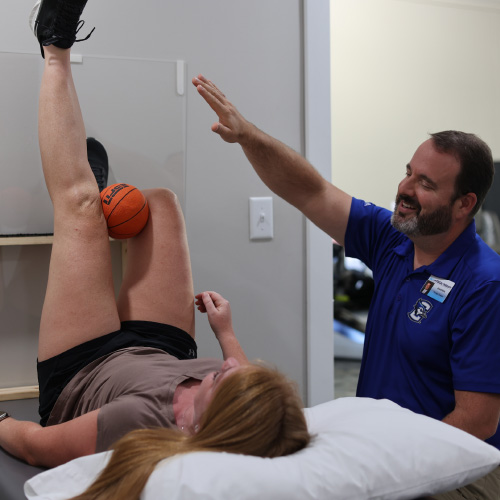
What Are Some Benefits of Rehab?
- Reduces pain and inflammation
- Improves range of motion and overall mobility
- Strengthens muscles and improves overall function
- Helps you regain independence and return to your daily activities
- Lowers the risk of long-term complications, such as chronic pain
What Can I Expect During Rehab?
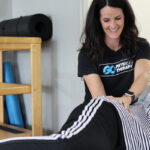
- Techniques to help manage acute pain and swelling, such as ice, compression, manual therapy, and assisted stretches
- Guided mobility work to help restore movement in the affected joint or area without stressing healing tissues
- Scar tissue management using hands-on therapy or tools to reduce the risk of long-term pain or stiffness
- Targeted, progressive strengthening exercises to rebuild muscle at an appropriate pace
- Balance or gait training to help restore stability in surgeries that affect your movement patterns
- Functional training that helps you relearn everyday movements like standing, walking, or climbing stairs

Going Into Surgery? GO Physical Therapy Is Here to Help!
If you have surgery scheduled, now’s the time to contact our clinic and learn more about how our pre- and post-op rehabilitation programs can help you make the most of your procedure.
Remember, your recovery starts before you ever head into the operating room. Schedule an appointment with us today to get started.
Seasonal Recipe:
Acai Smoothie Bowl
Bright, refreshing, and loaded with antioxidants, this Acai Smoothie Bowl is the perfect way to start your day or recharge post-workout. Topped with fresh fruit, granola, and a drizzle of honey, it’s as nutritious as it is delicious.
Ingredients
- 1 cup of apple juice
- 1 large banana sliced
- 1 1/2 cups of frozen berries
- 1/2 cup vanilla Greek yogurt
- 1 tablespoon honey
- 1 frozen packet of acai berry puree (100 grams)
- Assorted toppings such as sliced almonds, berries, shredded coconut, granola, chia seeds, sliced banana, mint sprigs, etc.
Directions
Place the apple juice, banana, frozen berries, yogurt, honey and acai puree in the blender. Blend until thoroughly combined and smooth. Pour the smoothie into 2 deep bowls. Arrange the desired toppings over your smoothie bowls and serve.
Thank You for Subscribing to GO Physical Therapy
Exercise of the Month
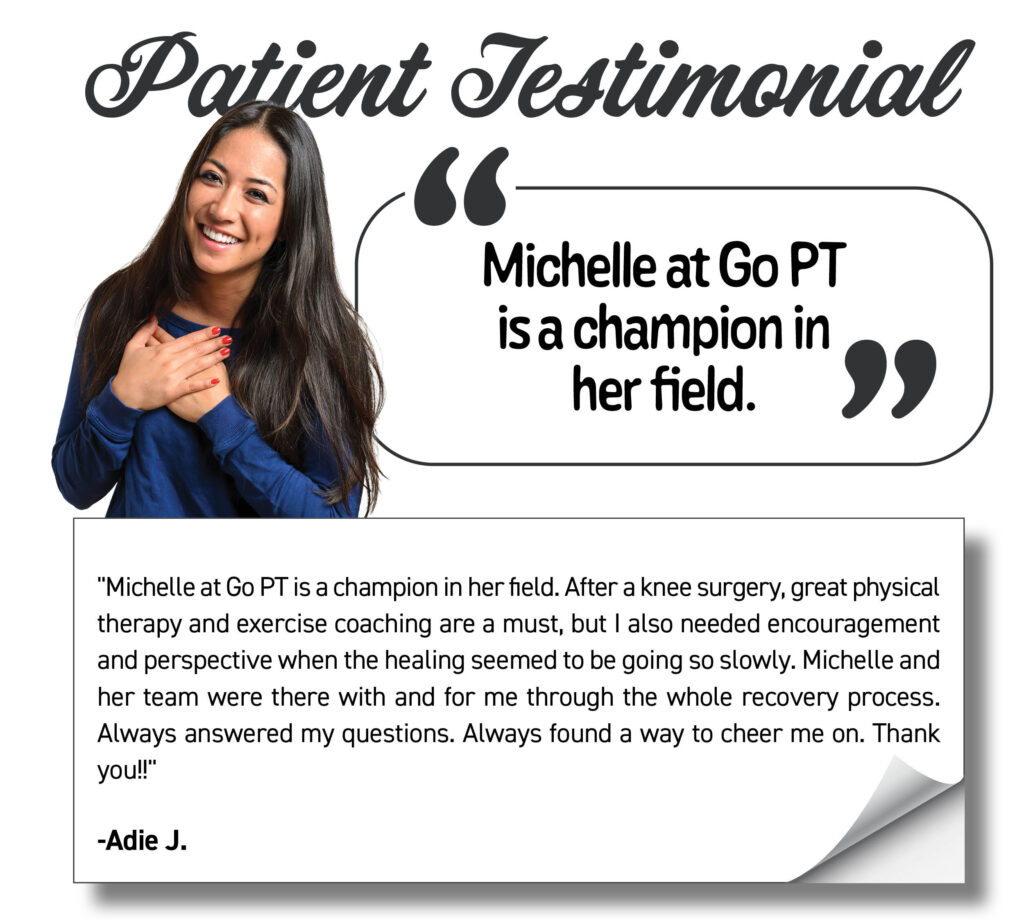
HAMSTRING SUPINE STRETCH
Start by lying on your back with both legs straight out. Loop a towel around your foot on the side you want to stretch. Keeping your leg as straight as possible, pull it up into the air using the ends of the towel. Hold when you feel a stretch in the back of your leg. Hold for 30 seconds. 3 Sets, 1 Reps. (Materials needed: towel)

Back-to-School Tips for a Healthy Start
The back-to-school season is the perfect time to set your child up for a healthy and successful school year, physically and mentally. Whether your child is returning to the classroom or starting a new routine, here are some practical tips from GO Physical Therapy to help support their well-being.
1. Backpack Smarts:
Heavy or improperly worn backpacks can lead to posture problems, back pain, and fatigue. Make sure your child’s backpack weighs no more than 10-15% of their body weight. Encourage them to wear both straps and use padded, adjustable shoulder straps for proper fit.
2. Encourage Daily Movement:
Kids spend a lot of time sitting during the school day. Counteract this with daily physical activity, whether it’s organized sports, playground time, or at-home exercises. Movement helps improve focus, mood, and overall development.
3. Prioritize Sleep Routines:
Lack of sleep affects energy, attention, and physical health. Start winding down earlier in the evening to make the morning transition smoother and more restful.
4. Watch for Developmental Red Flags:
If your child is struggling with balance, coordination, handwriting, or motor skills, pediatric physical therapy can help. Early intervention makes a big difference in school success.
At GO Physical Therapy, we’re here to support your child’s physical growth and academic success. Reach out to us if you have any questions or concerns. We’re happy to help your family start the school year strong!

How Did We Do?
Click the link below to let us know how we’re doing! Leaving a review of your experience will help others to get the help that they deserve. We can’t wait to see you again!