
Nurturing Development with Occupational Therapy for Children
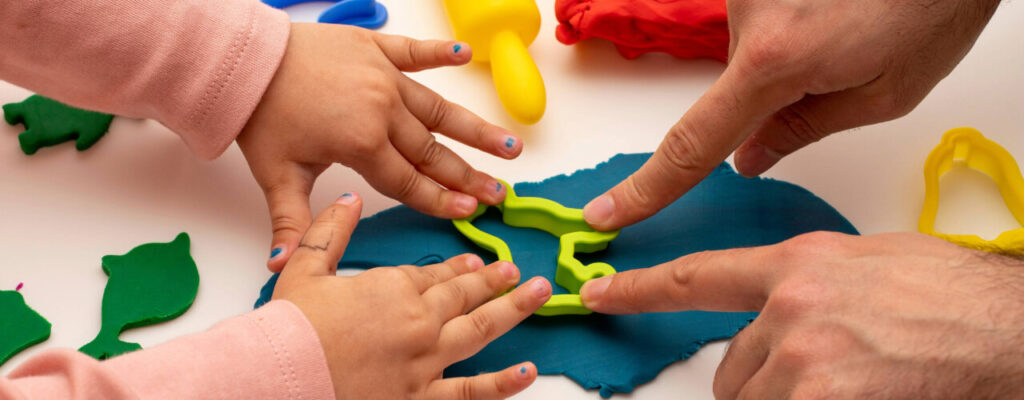
Every child deserves the tools to conquer their daily adventures, whether it’s zipping up a jacket, stacking blocks, or tying shoelaces. Occupational therapy for children focuses on helping kids build skills that foster independence and confidence. This therapy takes a holistic approach, addressing the physical, sensory, and emotional barriers that might hold a child back.
For many children, tasks we take for granted can feel like climbing a mountain. Therapists work closely with families to tailor interventions to each child’s needs. This could mean finding creative ways to improve motor skills or developing strategies to manage sensory overload. The result? A child who feels empowered and ready to take on the world, one step at a time.
Turning Therapy into Playtime
Therapy sessions are far from a chore for kids—occupational therapy is often designed to feel like play. Therapists might use colorful obstacle courses to boost coordination or sensory bins filled with textured items to refine sensory processing. Each activity has a purpose, even if it feels like fun and games to the child.
Imagine a child struggling with handwriting. A therapist might introduce exercises like squeezing putty or using chalk on rough surfaces to strengthen hand muscles. Over time, these playful activities translate into smoother, more confident writing.
Beyond the playroom, therapy can extend into everyday life. Activities like baking cookies teach sequencing and fine motor skills while also fostering a sense of achievement.
The Invisible Superpowers of Occupational Therapy for Children
While parents often see physical progress, occupational therapy for children also builds less tangible skills. A child who learns to stay calm in noisy environments or adapt to a new routine develops resilience that can last a lifetime. Emotional regulation, social interaction, and self-confidence are just as important as physical milestones.
For example, a child who once avoided playgrounds due to sensory sensitivities might, after consistent therapy, enjoy swinging, sliding, and joining in games with peers. These moments of success create a ripple effect, encouraging more participation and growth.
Recognizing When Therapy Can Help
Not every challenge requires occupational therapy, but certain signs can point to a need for extra support. Children who struggle with fine motor tasks like cutting with scissors or using utensils may benefit. Similarly, kids who avoid specific textures, sounds, or other sensory experiences might need help processing their environment.
Parents often worry about whether their child’s challenges are “normal.” Occupational therapy bridges the gap between uncertainty and action, providing solutions that address a child’s unique needs. Early intervention makes a big difference, allowing children to build a strong foundation for future success.
A Brighter Tomorrow
The impact of occupational therapy on children goes beyond the clinic. By addressing both small and significant challenges, this therapy equips kids with the skills to enjoy their world and engage fully in school, play, and family life. With support from caring professionals and engaged parents, children can overcome obstacles and discover their potential.
Ready to explore how occupational therapy for children could make a difference in your child’s life? It all starts with understanding their unique needs and providing tools to help them thrive!