
Occupational Therapy and Post-Stroke Recovery: A Path to Independence
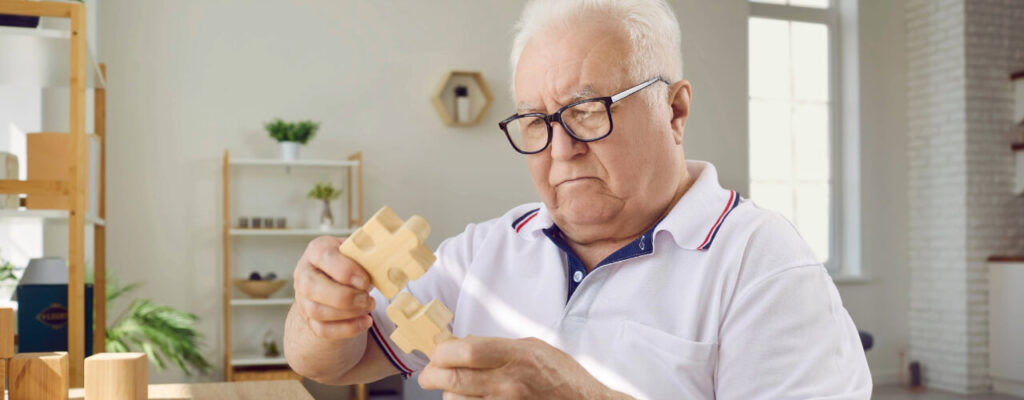
A stroke can drastically alter a person’s ability to navigate daily life. Tasks that were once second nature—preparing meals, dressing, or walking—can become significant challenges. This change not only impacts physical capabilities but also takes an emotional toll. At Go Physical Therapy, occupational therapy for post-stroke recovery is designed to help stroke survivors rebuild their independence through targeted, compassionate care.
Regaining Independence After a Stroke with Occupational Therapy
Stroke survivors often face a mix of mobility issues, impaired fine motor skills, and cognitive challenges that affect their ability to function independently. Occupational therapy for post-stroke recovery focuses on restoring these essential abilities. The process begins with a thorough evaluation to identify each patient’s unique needs and goals. Therapists then design a personalized treatment plan that addresses physical and emotional challenges while building confidence.
This tailored approach ensures therapy is as effective as possible, targeting key areas such as:
- Fine motor skills for tasks like writing or using utensils.
- Mobility and balance to prevent falls and encourage safe movement.
- Cognitive skills to improve memory, focus, and problem-solving.
How Go Physical Therapy Supports Stroke Survivors
At Go Physical Therapy, the journey to recovery is a partnership between therapists, patients, and their families. The team takes a holistic view of each individual’s needs, creating therapy plans that address both immediate challenges and long-term goals. This often includes a combination of exercises, adaptive tools, and environmental modifications.
Patients may work with specialized equipment designed to rebuild strength and coordination. Adaptive tools, such as weighted utensils or dressing aids, offer immediate assistance with daily tasks. Home modifications, like grab bars or non-slip mats, ensure safety and support continued progress outside the clinic.
For example, one patient—a retired teacher named Margaret (not her real name)—came to Go Physical Therapy struggling to use her right hand after a stroke. Her therapy plan included exercises with resistance bands to strengthen her grip and sequencing tasks, like making a sandwich, to improve cognitive processing. These focused efforts helped Margaret regain her ability to cook for herself and participate in activities she loved.
Therapists also guide families in supporting recovery at home. They provide exercises that can be practiced in everyday settings and strategies to encourage consistent progress. This collaborative approach maximizes the impact of therapy.
Milestones That Make a Difference
Every small achievement during occupational therapy for post-stroke recovery can feel monumental for patients and their families. For Margaret, the first milestone was regaining enough dexterity to button her own shirts. This simple act represented a major step toward reclaiming her independence.
Another breakthrough came when she was able to write short notes to her grandchildren. Though initially challenging, targeted hand-strengthening exercises enabled her to regain this cherished ability. These milestones not only improved Margaret’s daily life but also boosted her confidence and emotional well-being.
Over time, Margaret transitioned from needing assistance with most tasks to independently managing her routines. Her progress showcased the power of personalized therapy in helping stroke survivors regain control of their lives.
A Comprehensive Approach to Recovery
Recovery from a stroke isn’t just about physical progress—it’s about addressing the whole person. At Go Physical Therapy, occupational therapy for post-stroke recovery integrates emotional support alongside physical rehabilitation. Stroke survivors often face feelings of isolation or frustration, and therapists work to foster resilience and optimism throughout the process.
Patients are encouraged to celebrate their progress, no matter how small. By focusing on achievable goals, our therapists help them build momentum and stay motivated. This positive reinforcement is key to long-term success.
Family involvement also plays a significant role in recovery. Therapists at Go Physical Therapy educate loved ones on how to create a supportive environment that encourages ongoing improvement. Whether it’s practicing exercises together or modifying the home to suit the patient’s needs better, these efforts strengthen the foundation for independence.
Rediscovering Independence
The journey to recovery after a stroke is unique for every individual, but with the right support, significant progress is possible. At Go Physical Therapy, occupational therapy for post-stroke recovery empowers patients to reclaim their independence and rebuild their confidence.
If you or a loved one is navigating life after a stroke, remember that help is available; call today to get started!