

Back Pain Slowing You Down? Physical Therapy Can Help!
Here’s a fact about back pain that may bring you some comfort: it’s one of the most common musculoskeletal complaints in the world. Around 80% of people will have back pain at least once. So, if you’re suffering now, you probably aren’t the only one!
Of course, that thought does little to help if your back pain keeps you from performing day-to-day activities — as it often does. Back pain is often accompanied by mobility restrictions that make walking, rising from sitting, or bending over difficult. And if left untreated, it can sometimes lead to long-term pain and dysfunction.
At Central Nebraska Rehab Services, we know how debilitating back pain can be. Our team of dedicated physical therapists will help you understand the cause or causes of your back pain and work with you to develop a personalized treatment plan that will let you get back to the activities you love to do.
Call our clinic today to set up your initial consultation!
What Causes Back Pain?
One of the reasons that back pain is so common is that it’s associated with several different injuries, underlying conditions, or lifestyle factors. That said, most back pain is non-specific, meaning it’s not caused by a specific disease or specific structural problem, but caused by mechanical issues. Mechanical issues are difficult to pinpoint and may include multiple tissues in and around the spinal joints.
The first step in treating your back pain is understanding what’s contributing to it. Our therapists will perform a comprehensive evaluation to help us learn as much as possible about your experience with back pain, including screening for any mobility limitations or weakness you’re struggling with.
Here are some of the more common sources of back pain that we see at our clinic:
- Strains and Sprains: A strain occurs when you injure the muscles in your back. A sprain occurs when you injure the ligaments that link your spinal vertebrae. Both can cause pain and limited mobility, and they often result from lifting with improper form (such as twisting while lifting) or attempting to lift something too heavy.
- Herniated Discs: Soft, flexible discs separate and cushion your spinal vertebrae. If one of those discs herniates — that is protrudes out — and irritates a nearby nerve, it can lead to intense pain, feeling “stuck” in a stooped over position, and often pain down the leg known as sciatica.
- Osteoarthritis: Osteoarthritis is the most common form of arthritis in the world, occurring when the cartilage and bone tissue in a joint degenerate and become inflamed. While we often associate it with the hips, knees, or hands, it can occur in the spine, too. Spinal osteoarthritis is sometimes called spondylosis.
Lifestyle Factors: Several factors can contribute to lower back pain, including improper posture, prolonged sitting, or weakness in the muscles that wrap and support your spine (your core muscles).
Why Physical Therapy at Central Nebraska Rehab Services Is Your Back Pain Solution
- While back pain often resolves on its own within 1-3 months, physical therapy is an excellent choice for people with particularly intense pain or extremely restrictive mobility. It’s also useful for people with chronic back pain — defined as pain that lingers past that three-month mark.
- We customize all our back pain treatment plans according to your specific needs: the location and severity of your back pain, any mobility restrictions, your ability level, and overall goals. We’ll work to address the underlying issues causing your pain rather than simply masking the symptoms.
- How will we do this? Through a blend of the following techniques:
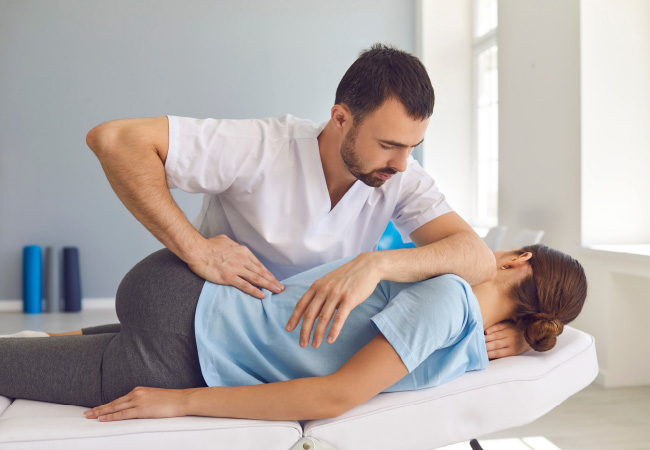
- Manual therapy helps manage pain, promote blood circulation, and improve mobility.
- A personalized therapeutic exercise plan improves the strength, flexibility, and endurance of your back and core muscles. Muscle weakness significantly contributes to lower back pain, so exercise is a must.
- Specialized training, such as proper techniques and activities that simulate functional movements you’ll need to perform (i.e., squats, lunges, lifting, etc.).
- Prevention strategies help reduce future back pain incidents. These strategies might include postural corrections or suggestions for at-home exercises, such as a walking program or regular strength and mobility practice.
Get Moving Again with Physical Therapy!
Back pain is more than just pain. It can severely restrict your mobility, leading to less exercise and movement, further contributing to pain and dysfunction. The
Central Nebraska Rehab Services team is here to help you break that cycle and find relief from back pain for good.
Call us today to schedule an appointment!
Say Goodbye to Pain – Get Started with PT Now!
Miss feeling your best? Come back to Central Nebraska Rehab Services and let us help you get there—schedule your appointment today!
Healthy Recipe:
Tomato, Mozzarella & Basil Bruschetta
Ingredients
- 1 (32-oz) can whole tomatoes, drained
- 1 cup fresh basil leaves
- 4 tbsp extra-virgin olive oil
- 6 cloves garlic, peeled
- Kosher salt & freshly ground black pepper
- 2 large French baguettes, sliced 1-inch thick (about 36 slices)
- 1 1/2 lbs fresh mozzarella cheese, sliced 1/4-inch thick
Directions
Preheat oven to 375 degrees F. In the bowl of a food processor, add drained tomatoes, 1 cup basil leaves, olive oil and 2 cloves garlic. Pulse until smooth, but somewhat chunky. Season with salt and pepper. On a baking sheet, line up baguette slices. Toast in oven for about 3 minutes. Working quickly, rub the remaining garlic on the toasted side of each slice and then lay a piece of mozzarella cheese on top. Place bread back in oven for about 45 seconds. Remove from oven and spread one tablespoon of the tomato mixture on each piece. Place bruschetta on decorative platter and garnish with basil leaves.
Exercise of the Month
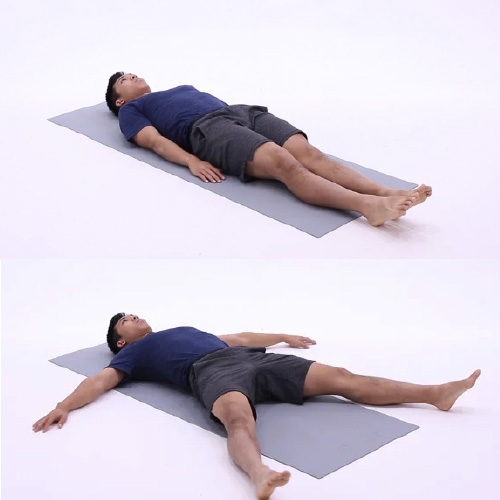
Angel On Back
Start by lying flat on your back with your arms straight down by your sides, your palms down, and your legs together. Slowly slide both arms straight up over your head and simultaneously slide both legs outward. Slide your arms back down and your legs back in. Repeat 3 sets, 10 reps each.

Thank you for subscribing to Central Nebraska Rehab Services
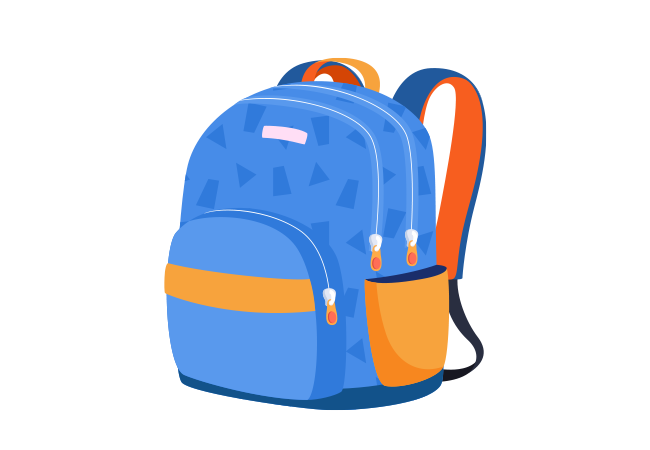
Backpack Safety
Loading the backpack:
• A child’s backpack should weigh no more than about 10% of his or her body weight. This means a student weighing 100 pounds shouldn’t wear a loaded school backpack heavier than about 10 pounds.
• Load heaviest items closest to the child’s back (the back of the pack).
• Arrange books and materials so they won’t slide around in the backpack.
• Check what your child carries to school and brings home. Make sure the items are necessary for the day’s activities.
• If the backpack is too heavy or tightly packed, your child can hand carry a book or other item outside the pack.
• If the backpack is too heavy on a regular basis, consider using a book bag on wheels if your child’s school allows it.
Wearing the backpack:
• Distribute weight evenly by using both straps. Wearing a pack slung over one shoulder can cause a child to lean to one side, curving the spine and causing pain or discomfort.
• Select a pack with well-padded shoulder straps. Shoulders and necks have many blood vessels and nerves that can cause pain and tingling in the neck, arms, and hands when too much pressure is applied.
• Adjust the shoulder straps so that the pack fits snugly on the child’s back. A pack that hangs loosely from the back can pull the child backwards and strain muscles.
• Wear the waist belt if the backpack has one. This helps distribute the pack’s weight more evenly.
• The bottom of the pack should rest in the curve of the lower back. It should never rest more than four inches below the child’s waistline.
• School backpacks come in different sizes for different ages. Choose the right size pack for your child as well as one with enough room for necessary school items.
• Only put items in your backpack that you need for the day.!