

How Physical Therapy Helps Pelvic Health
Are you living with symptoms you find difficult to talk about? Perhaps you’re struggling with incontinence, sexual dysfunction, or endometriosis. Maybe you’ve developed a pelvic organ prolapse.
While these conditions can sound scary, they’re very treatable. Unfortunately, they often stem from issues related to pelvic health, and many people will live with pain and discomfort due to being uncomfortable sharing their concerns.
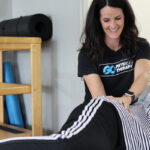
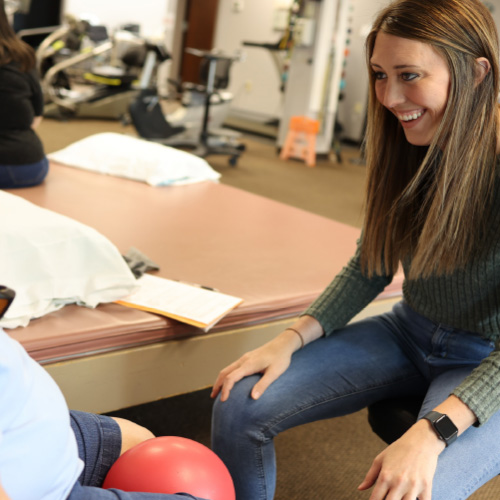
At GO Physical Therapy, we want to change that. Our physical therapists frequently help people manage their pelvic health, offering private rooms and a judgment-free zone where you can share your symptoms and get the treatment you need.
Today, we want to explore pelvic health: what it is, how it can impact your life, and how our physical therapy services can help improve it.
Still have questions? Our friendly staff is happy to answer them. We’re just a phone call away!
What Do We Mean by Pelvic Health?
Your pelvic floor is a sling of muscles at the base of your core. It acts as a “hammock” for your pelvic organs, including your bladder, bowels, prostate (in men), and sexual organs (in women). When the pelvic floor is healthy, it supports those organs and helps them function properly. But when it becomes impaired–such as being weak or overly restricted–you can experience several different symptoms.
Anyone can experience issues with their pelvic floor, although the exact concerns can vary somewhat with gender. Here are some of the common complaints we help treat:
Urinary Incontinence
- Anyone can develop urinary incontinence, although it is more common in women. This can include stress incontinence (leaking when laughing or coughing), urge incontinence (having an overwhelming need to go), or a combination.
Pelvic Pain
- Pelvic pain can have a variety of causes, from nerve issues to gynecological conditions like endometriosis. We’ll help determine the cause and find the right treatment option for your needs.
Sexual Dysfunction
- For women, sexual dysfunction can include painful intercourse or difficulty with orgasm. For men, it can include erectile dysfunction or painful ejaculation. But either way, pelvic floor impairment is often the culprit.
Pelvic Organ Prolapse
- This occurs when the pelvic organs slip out of place. It can affect both men and women and develops due to weakened pelvic floor muscles.
Pregnancy/Postpartum Discomfort
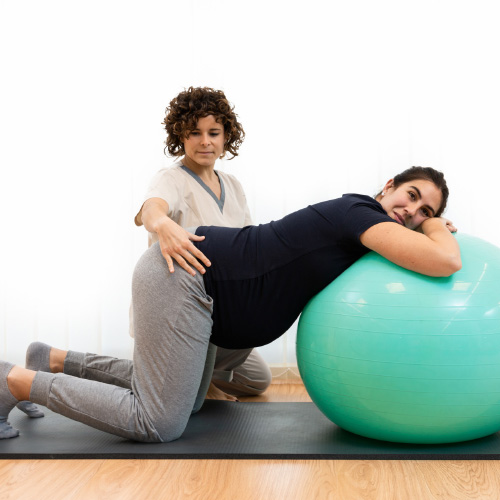
- The changes that occur in your body during pregnancy can lead to pelvic and lower back pain, urinary incontinence, and other musculoskeletal concerns.
What Treatment Options Do We Offer?
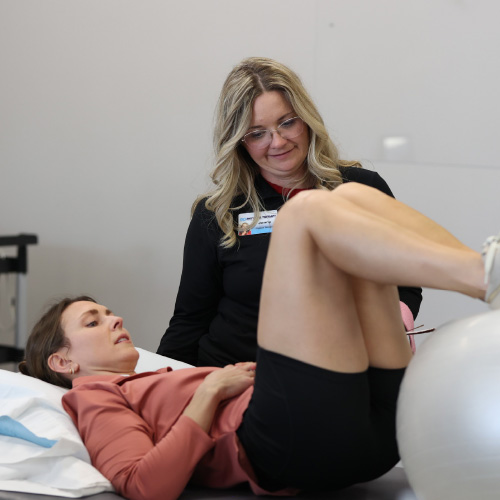
Treatment for pelvic health concerns varies depending on the cause. That’s why our team will spend your first session taking your health history, reviewing your symptoms, and running several screens so we can provide you with the interventions you need.
Here are some of the common treatment options we use to improve pelvic health:
Pelvic Floor Exercises
- We’ll show you tailored exercises designed to stretch and strengthen your pelvic floor muscles–and ensure you’re performing them correctly.
Biofeedback
- Biofeedback uses technology to help you “see” what’s going on inside your body. This is especially true for the pelvic floor, an internal muscle that can be harder to control.
Manual Therapy
- Certain hands-on pain relieving techniques, such as myofascial release, can help ease muscle tension that can contribute to pelvic pain and dysfunction.
Electrical Stimulation
- Electrical stimulation (sometimes called TENs) uses a mild electric pulse to improve pelvic muscle function and reduce pain.
Bladder Training
- If you’re dealing with urinary incontinence (especially urge incontinence), bladder training can help you go longer between bathroom breaks.
Lifestyle Modifications
- We’ll help you find lasting relief by addressing other factors that might contribute to pelvic floor dysfunction, such as regular exercise, nutrition, and more.
Ready to Get Started?
At GO Physical Therapy, we understand how challenging it can be to live with pelvic floor dysfunction. Worse, many people will suffer for years due to the shame surrounding common symptoms related to poor pelvic floor health.
We want you to know there’s nothing to be ashamed of–and our physical therapists have heard it all! Take control of your health and well-being, starting with your pelvic health. Call our clinic today to set up your initial consultation!
Seasonal Recipe:
Balsamic Grilled Steak Salad with Peaches
Ingredients
- 1 lb. skirt steak, trimmed of fat
- 1/4 c. balsamic vinegar
- 1 clove garlic, minced
- 1 tbsp. brown sugar
- 1 tbsp. vegetable oil
- kosher salt
- Freshly ground black pepper
- 1/4 c. extra-virgin olive oil
- Juice of 1 large lemon
- 6 c. baby arugula
- 2 peaches, thinly sliced
- 1/3 c. crumbled blue cheese or feta
Directions
Add steak to a large Ziploc bag or baking dish and toss in balsamic vinegar, garlic and brown sugar. Let marinate 20 minutes at room temperature. Heat a grill or grill pan to high. Rub steak with vegetable oil and season generously with salt and pepper. Grill until desired doneness, 3 minutes per side for medium rare. Let rest 5 minutes, then slice. Meanwhile, make dressing: In a small bowl whisk together olive oil and lemon juice and season with salt and pepper.
Arrange salad: In a large serving bowl, add arugula, peaches, blue cheese or feta, and steak. Drizzle with dressing and gently toss. Serve immediately.
Thank You for Subscribing to GO Physical Therapy
Exercise of the Month
BIRD DOG
Begin on hands and knees with your core engaged. Extend one arm and the opposite leg straight out, keeping your back flat. Hold briefly, return to start, and alternate sides to improve stability and balance.

Regain Your Balance with Vestibular Rehabilitation
Feeling dizzy, off-balance, or like the room is spinning? You’re not alone. These symptoms often point to vestibular disorders, which affect the inner ear and your body’s sense of balance. At GO Physical Therapy, we offer specialized Vestibular Rehabilitation Therapy (VRT) to help patients regain control and feel steady again.
VRT is a targeted exercise-based program designed to reduce dizziness, improve balance, and restore normal function. Our experienced therapists create customized plans that address each person’s unique symptoms—whether caused by BPPV (benign paroxysmal positional vertigo), vestibular neuritis, post-concussion syndrome, or other balance-related conditions.
If dizziness or imbalance is affecting your daily life, don’t ignore it. Let GO Physical Therapy help you find your footing again.

How Did We Do?
Click the link below to let us know how we’re doing! Leaving a review of your experience will help others to get the help that they deserve. We can’t wait to see you again!