

Helping You to Find Your Voice
Do you or someone you love struggle to speak clearly? Do you know what you want to say but find you can’t get your mouth to make the necessary shapes? These challenges could be signs of a motor speech disorder, also known as dysarthria. At Go Physical Therapy Balance Mobility & Cancer Rehab, our team of speech therapists in Lincoln, NE understands the frustration associated with motor speech difficulties. We offer personalized therapy programs to help you improve your speech clarity and communication skills.
Understanding Motor Speech Disorders
Motor speech disorders arise from difficulties in planning and coordinating the movements of the muscles involved in speech production. These muscles include the lips, tongue, jaw, and vocal cords. Someone with dysarthria may experience:
Slurred speech:
- Words may sound mumbled or blended together, making them difficult to understand.
Weak or strained voice:
- The voice may sound breathy, hoarse, or require excessive effort to speak.
Difficulty with certain sounds:
- Some people may have trouble forming specific consonant or vowel sounds.
Speech apraxia:
- This is a more severe form of dysarthria where you have difficulty planning the sequence of muscle movements needed for speech.
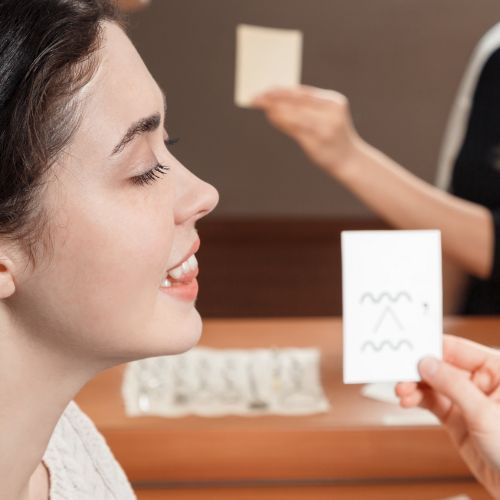
Impact of Motor Speech Disorders
Motor speech disorders can significantly impact your ability to communicate and participate in day-to-day life. In some cases, it can also affect swallowing ability, making it challenging to receive the nutrients you need.
The Role of Speech, Physical, and Occupational Therapy in Motor Speech Disorders
At Go Physical Therapy Balance Mobility & Cancer Rehab, we work collaboratively to address the specific needs of each patient.
Speech-Language Pathologists (SLPs):
SLPs are the primary therapists for motor speech disorders. They conduct comprehensive evaluations to identify the underlying cause and severity of the speech challenges. Through targeted exercises and strategies, SLPs help you improve the following:
Oral motor skills
These exercises strengthen and coordinate the muscles used for speech production, like the lips, tongue, and jaw.
Speech intelligibility
SLPs work on improving the clarity and precision of speech sounds for better communication.
Communication strategies
They can suggest alternative communication methods, such as text-to-speech devices, to supplement your speech if needed.
Physical Therapists (PTs):
In some cases, PTs may be involved if the motor speech disorder is related to underlying muscle weakness or coordination difficulties. PTs can develop exercises to improve overall oral motor function and coordination.
Occupational Therapists (OTs):
OTs can help you develop strategies for navigating any day-to-day difficulties, especially if your dysarthria is caused by an underlying condition, such as Parkinson’s.
Finding the Right Voice at Go Physical Therapy Balance Mobility & Cancer Rehab: Empowering Communication
Our multidisciplinary team is dedicated to helping you address and manage motor speech disorders. Contact us today to schedule an appointment and learn more about how we can help you communicate confidently!
Your Next Steps…
Request An Appointment
Receive A Custom Treatment Plan
Work Hard and Progress In Your Recovery
Recover & Enjoy Life Pain-Free!