
Safe Swallowing, Happy Eating: Managing Dysphagia
Do you or a loved one have difficulty swallowing? This could be a sign of dysphagia, a condition that affects the ability to safely and efficiently move food and liquids from the mouth to the stomach. Our speech therapists in Lincoln, NE understand the challenges associated with dysphagia and offer personalized therapy programs to help you overcome swallowing difficulties and enjoy a safe, positive eating experience.
Understanding Swallowing Difficulties
Swallowing is a complex process involving coordinated movements of the mouth, throat, and esophagus muscles. Dysphagia can occur due to various factors, including:
Neurological conditions
- Parkinson’s disease, stroke, or other neurological conditions can affect the muscles and nerves involved in swallowing.
Muscular weakness:
- Weakness in the mouth and throat muscles can make swallowing difficult.
Cancer
- Certain types of cancer and their treatment can cause problems in the head or neck that impede the swallowing process.
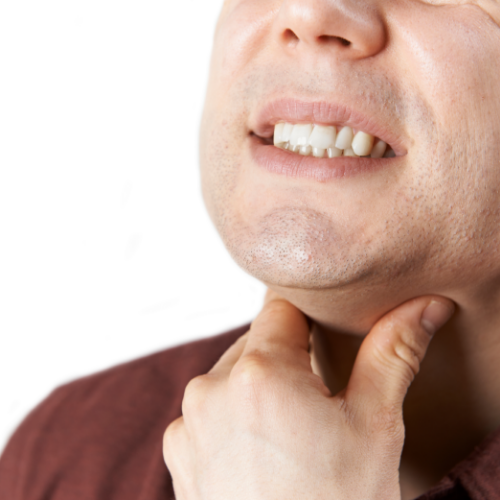
Impact of Swallowing Difficulties on Your Overall Well-being
Dysphagia can significantly impact your quality of life, leading to:
- Nutritional Deficiencies: Difficulty swallowing can make it challenging to consume enough nutrients, leading to weight loss and potential malnutrition.
- Dehydration: Difficulties with swallowing liquids can lead to dehydration.
- Aspiration Pneumonia: In severe cases, dysphagia can increase the risk of aspiration, where food or liquids enter the lungs, leading to pneumonia.
The Role of Our Go Physical Therapy Balance Mobility & Cancer Rehab Therapists in Dysphagia
Our speech-language pathologists are the primary therapists for dysphagia. We’ll conduct comprehensive evaluations to identify the underlying cause and severity of the swallowing difficulties. They’ll then create a customized treatment plan that may include the following:
Improve Oral Motor Skills
Exercises to strengthen and coordinate the muscles of the mouth and tongue for better food manipulation during swallowing.
Neuromuscular Electrical Stimulation (NMES)
In some cases, SLPs may use NMES to stimulate weak muscles involved in swallowing.
Therapeutic Feeding Techniques
Develop safe and effective feeding techniques to optimize swallowing efficiency.
Diet Modifications
Suggest modifications to your diet’s texture to aid in swallowing.
Building Safe Swallowing Habits
Our team works to create a positive and supportive environment where mealtimes can be enjoyable again. We also work closely with your doctor, nutritionist, and other specialists to ensure a cohesive treatment plan addressing all aspects of your well-being.
Your Next Steps…
Request An Appointment
Receive A Custom Treatment Plan
Work Hard and Progress In Your Recovery
Recover & Enjoy Life Pain-Free!