
Addressing Common Language and Cognition Concerns
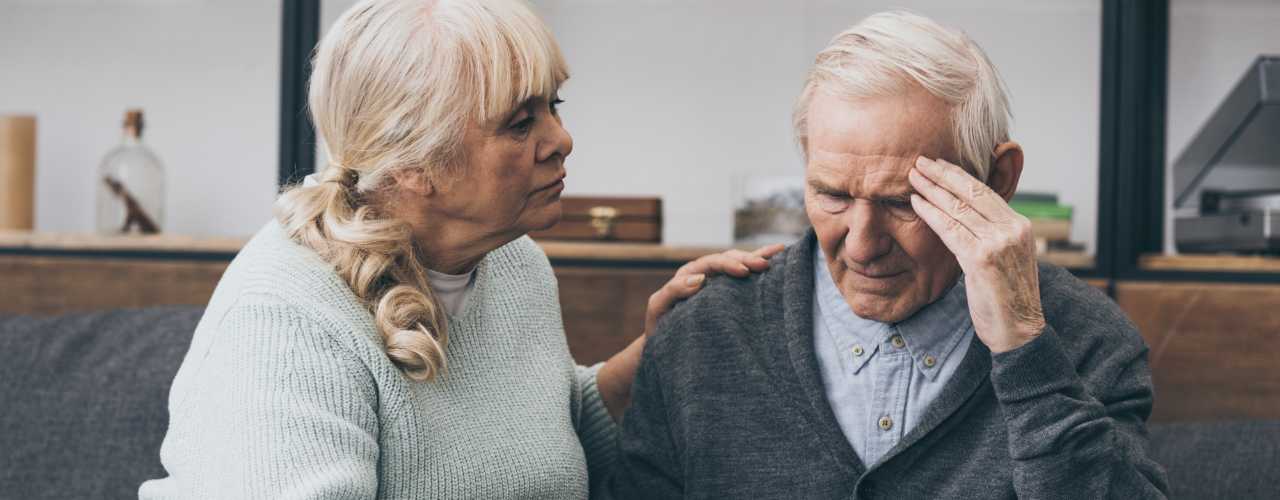
Do you have a loved one who recently suffered a stroke and now struggles to express themselves? Or maybe they seem overly forgetful and have a hard time concentrating. These challenges could indicate language and cognitive difficulties, including conditions such as aphasia or brain fog. We offer personalized therapy programs to help address these symptoms so you or your loved one can remain independent and involved in day-to-day life.
Understanding Language and Cognitive Difficulties
Language and cognition are intricately linked.
Language skills refer to the ability to communicate thoughts and ideas effectively and the ability to understand spoken language.
Cognitive skills refer to the ability to focus and concentrate on tasks, as well as the ability to encode, store, and retrieve information. These skills are necessary to develop strategies and solutions for overcoming challenges.
Challenges in these areas can manifest in different ways, including:
Aphasia
A language disorder that can occur after a stroke or brain injury, leading to difficulties with speaking, understanding, reading, or writing.
Brain Fog
Brain fog is a term used to describe cognitive symptoms like forgetfulness, difficulty concentrating, and mental fatigue. Brain fog can occur due to various reasons, including head injuries, medical conditions, or even chronic stress.
Language and cognitive difficulties can strongly affect a person’s life, making it difficult to work or perform key day-to-day tasks.
The Role of Speech and Occupational Therapy in Addressing Language and Cognitive Challenges
Both speech and occupational therapy offer tools to help you manage language and cognition difficulties. Here’s how:
Speech-Language Pathologists (SLPs):
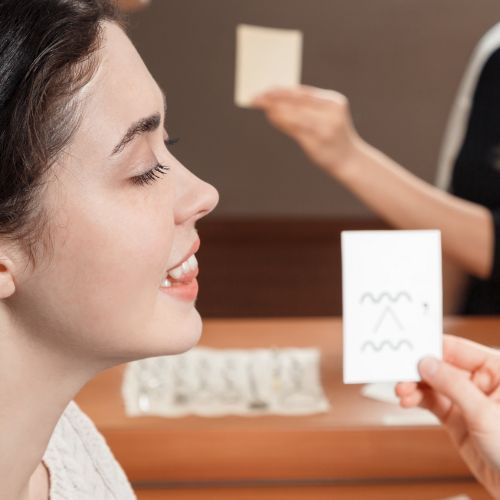
SLPs are vital in addressing language difficulties. They conduct comprehensive evaluations to identify the underlying cause of the challenges and develop personalized therapy plans. Through targeted strategies, SLPs can help you:
- Improve Expressive and Receptive Language Skills:
- Activities and exercises to enhance communication skills and language comprehension.
- Capitalize on Existing Strengths:
- Identify current communication strengths and offer suggestions for how to make the most of them.
- Address Aphasia:
- Specialized therapy programs designed to address specific communication challenges following a stroke or brain injury.
Occupational Therapists (OTs):
OTs help you navigate the complexities of everyday life, with a focus on helping you improve your ability to perform activities of daily living (ADLs), such as grooming, cooking, or completing chores.
- Improve Attention and Focus: Activities and exercises to enhance sustained attention and concentration.
- Strengthen Memory Skills: Strategies to improve memory encoding, storage, and retrieval.
- Improve Problem-Solving Skills: Activities to facilitate critical thinking and problem-solving abilities.
Remain Healthy, Happy, and Independent with Go Physical Therapy Balance Mobility & Cancer Rehab in Lincoln, NE
Struggling with language or cognition skills can be challenging, but we’re dedicated to providing you with the tools you need to manage those difficulties. Contact us today to learn more about our comprehensive therapy programs!
Your Next Steps…
Request An Appointment
Receive A Custom Treatment Plan
Work Hard and Progress In Your Recovery
Recover & Enjoy Life Pain-Free!