
Restoring Confidence After Head and Neck Cancer
A diagnosis of head and neck cancer can be overwhelming. Following treatment, you might experience challenges with swallowing, speech, facial movement, or even self-care skills. At Go Physical Therapy Balance Mobility & Cancer Rehab in Lincoln, NE, we offer specialized rehabilitation programs designed to empower you to regain function, rebuild confidence, and continue to thrive.
Understanding Pediatric Head and Neck Cancer Rehabilitation
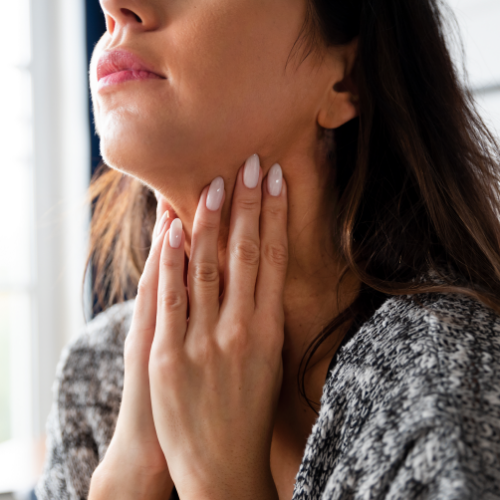
Treatment of head and neck cancers can impact several functions, including the following:
- Dysphagia: Difficulty swallowing due to surgery or radiation therapy affecting the muscles in the neck.
- Speech Apraxia: Challenges coordinating the movements necessary for speech production.
- Facial Weakness or Paralysis: Surgery or radiation can affect nerves controlling facial muscles, impacting movement and expression.
- Lymphedema: Fluid buildup in the face or neck due to damage to the lymphatic system.
- Dental and Oral Complications: Treatment can affect oral health, leading to difficulties with chewing and speaking.
The Role of Speech, Occupational, and Physical Therapists in Recovery
At Go Physical Therapy Balance Mobility & Cancer Rehab, we’ll work closely with your oncologist, surgeon, and other specialists to ensure a cohesive treatment plan that addresses all aspects of your recovery. Here’s what our different team members can do:
Speech-Language Pathologists (SLPs):
SLPs play a vital role in head and neck cancer rehabilitation. They conduct thorough evaluations to identify communication and swallowing difficulties. Through targeted strategies, SLPs can help you with the following:
- Improve Dysphagia: Develop safe and effective swallowing techniques to ensure proper nutrition and hydration.
- Address Speech Apraxia: Practice exercises to improve coordination and clarity of speech.
- Augmentative and Alternative Communication (AAC): If necessary, introduce AAC strategies to supplement verbal communication.
Occupational Therapists (OTs):
OTs focus on improving your ability to independently perform daily living activities (ADLs). They can help with the following:
- Regain Facial Movement: Develop exercises and strategies to improve facial muscle control and expression.
- Manage Lymphedema: Provide techniques such as manual lymphatic drainage and compression therapy to reduce fluid buildup.
- Adapt to Fine Motor Challenges: Modify tasks or introduce assistive devices to enhance self-care skills like eating, dressing, or writing.
Physical Therapists (PTs):
In some cases, PTs may be involved if balance or coordination difficulties impact your overall function.
Call Today to Make an Appointment: Taking the Next Step to Healing
Head and neck cancer treatment can be challenging, but with specialized rehabilitation, you can work to regain function, improve communication, and return to an active and fulfilling life. Our team is here to support you on the journey to recovery. Contact us today to learn more about our comprehensive rehabilitation programs!
Your Next Steps…
Request An Appointment
Receive A Custom Treatment Plan
Work Hard and Progress In Your Recovery
Recover & Enjoy Life Pain-Free!