

Supporting Children with Feeding and Oral Motor Disorders
Making Mealtimes a Positive Experience
At Go Physical Therapy Children's Rehab Center, we understand that feeding difficulties and oral motor challenges can make mealtimes stressful for both children and parents. Our dedicated team of pediatric occupational and speech therapists are here to provide personalized care and support to help your child enjoy a positive relationship with food.
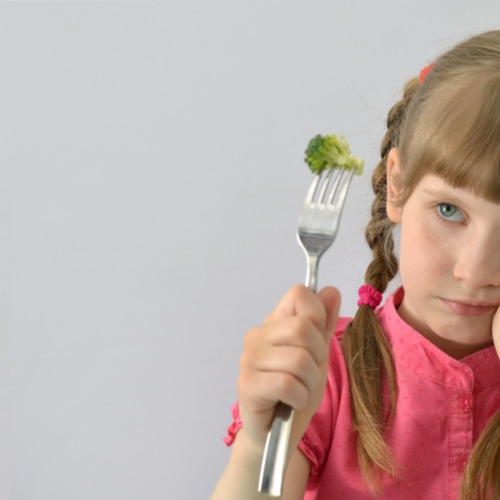
Understanding Feeding and Oral Motor Disorders
Feeding difficulties arise when a child experiences challenges with the oral motor skills needed for eating and drinking. These skills involve sucking, swallowing, chewing, and coordinating tongue and lip movements. Underlying medical conditions, sensory processing issues, or anatomical differences can contribute to these difficulties.
How Pediatric Therapy at Go Physical Therapy Children's Rehab Center Can Help
At Go Physical Therapy Children's Rehab Center, we offer a collaborative approach to address feeding and oral motor disorders. Our occupational and speech therapists work closely with your child’s pediatrician and other healthcare professionals to develop a personalized therapy plan. Here’s how each therapy discipline can contribute:
Speech-Language Pathology:
- Oral Placement and Coordination: Speech-language pathologists (SLPs) work on improving tongue, lips, and jaw coordination for swallowing and chewing.
- Desensitization Techniques: SLPs can use gradual exposure techniques to help children overcome aversions to specific textures or tastes.
- Communication Strategies: For children with complex feeding needs, therapists can help develop alternative communication methods to express hunger, fullness, or discomfort during meals.
Occupational Therapy:
- Sensory Integration: Children with feeding difficulties may have sensitivities to textures, tastes, or smells of food. Occupational therapists use sensory integration techniques to help children become more comfortable with different sensory experiences, promoting acceptance of various foods.
- Oral Motor Development: Through playful activities and exercises, therapists can strengthen the muscles in the lips, tongue, and cheeks. Improved oral motor skills can make chewing, swallowing, and food manipulation more efficient.
- Self-Feeding Skills: Therapists can help children develop the skills needed for independent eating, such as using utensils, bringing food to their mouths, and managing food textures.
Early intervention with pediatric therapy can significantly benefit children with feeding and oral motor disorders by:
- Improving oral motor skills and coordination
- Developing safe and efficient swallowing patterns
- Reducing food aversions and promoting acceptance of new foods
- Enhancing self-feeding skills and independence
- Making mealtimes more enjoyable and less stressful

Start Your Child’s Journey at Go Physical Therapy Children's Rehab Center Today!
Our team is passionate about helping children overcome feeding challenges and develop a healthy relationship with food. We believe in creating a safe and supportive environment where children can learn and grow at their own pace. If you are concerned about your child’s feeding habits or oral motor development, don’t hesitate to contact Go Physical Therapy Children's Rehab Center.
Together, we can create a path for your child to enjoy a positive and enriching experience with food!