


Five Simple Tips for Improving Your Balance
Avoid Falls and Stay on Your Feet–With a Little Help from Physical Therapy
Are you worried about falling and injuring yourself? Does limited mobility due to arthritis or another condition make you feel shaky? Balance challenges can certainly be difficult, but you do have options for improving your overall balance and stability!
One of the things we do at GO Physical Therapy is helping people work on the spatial awareness and muscular strength crucial in addressing balance challenges. This is especially true for people with a high risk of falling, where improved balance could save you a trip to the hospital.
Want to learn more about the importance of good balance? Call to schedule an appointment today.
Why Should I Work on My Balance At All?
The older you get, the more important good balance becomes. Falls are one of the biggest threats to adults 65 years or older, causing millions of hospitalizations and emergency room visits every year.
While several factors contribute to this high fall risk–including age-related sensory and physical changes–you can do things to lessen your risk, and it’s never too early to get started! If you start working to improve your balance now, you’ll be in a better place as you age.
That said, there are other benefits to improving balance for younger people. A good sense of balance has a radiating effect on your overall fitness, helping to improve your posture and overall movement. You’ll be better able to catch yourself if you stumble or trip, and you might notice improvements in other physical activities, like running or playing sports.

How Can I Improve My Balance? Five Suggestions from Our Physical Therapists
- Go for a Walk: Sometimes, the best solutions are the simplest. Walking helps build core and lower-body strength, two crucial components of good balance, and it’s safe and effective for most people. That said, if you’re struggling with balance, it’s important to speak to your physical therapist first–you might benefit from initial balance training or using a mobility aid during your walks.
- Restore Your Mobility: Stiff or arthritic joints can negatively impact your balance. Our physical therapists can teach you how to restore or improve your mobility and guide you on a safe routine you can perform at home that targets your individual needs.
- Target Your Core: If you’re really struggling with balance and instability, it may be time to focus on dedicated core exercises. Your core refers to the muscles that wrap around your spine–your back, hip, glute, and ab muscles. They keep your spine stabilized, which in turn helps you keep your balance. Not sure where to start with core strengthening? Our physical therapists can show you which exercises will work best for you.
- Challenge Your Balance: As with any other aspect of fitness, spending time on dedicated balance training can help you see results. Your goal is to find exercises that challenge your sense of balance without putting you at risk of falling–again, this is something our PTs can help with.
- Assess Your Balance: If you want to get serious about improving your balance, schedule an appointment at GO Physical Therapy to have your balance assessed by one of our experts. We’ll run several balance screens to help us pinpoint the exact reason for your balance challenges–it may even be something you didn’t expect, such as inner ear issues. With a balance assessment, we can help you target your treatment to suit your exact needs.
Afraid You’ll Lose Your Footing? We’ve Got Your Back
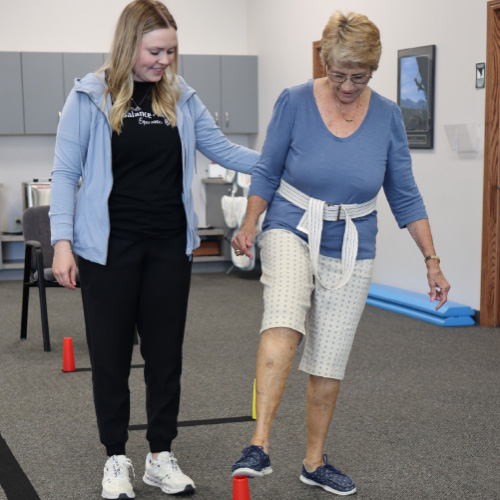
The physical therapists at GO Physical Therapy specialize in movement and exercise. If you visit us for a balance assessment, we can design a customized treatment program that addresses your needs and abilities. For example…
- Dealing with persistent pain that makes walking difficult? We can guide you through a drug-free pain management program.
- Find most core exercises impossible? You’re not alone. Although activities like core planks have significant benefits, many beginners need to build up to them. We’ll show you core exercises that you can actually perform.
- Not sure how to challenge your balance? We’ll guide you through a progress balance training program, measuring your progress and increasing intensity as you go.
Don’t Miss Out on the Benefits of Good Balance.
Call us to request your balance assessment today!
Healthy Recipe:
Balsamic Berry Vinaigrette Salad
Ingredients
¼ cup balsamic vinegar
2 tbsp plain fat-free Greek yogurt
1 tbsp sugar-free strawberry preserves
1 ½ tsp olive oil
1 tsp Dijon-style mustard
1 clove garlic, minced
¼ tsp kosher salt
⅛ tsp black pepper
3 cups fresh baby spinach
3 cups torn romaine lettuce
1 small Braeburn/Gala apple, thinly sliced
½ cup crumbled blue, feta/goat cheese
½ cup pomegranate seeds
¼ cup chopped walnuts
Directions
For vinaigrette, in a small bowl whisk together vinegar, yogurt, preserves, oil, mustard, garlic, salt and pepper. In an extra-large serving bowl, combine spinach, romaine, apple, cheese, pomegranate seeds and walnuts. Drizzle with half of the vinaigrette; toss to coat. Pass the remaining vinaigrette.
Exercise of the Month
Single Leg Balance Taps, Forward
Use This Exercise To Improve Your Balance.
Start by standing on one leg with the other leg slightly off the ground. Slowly tap your raised foot in front of you and behind you while maintaining balance. Repeat 3 sets, 10 reps each.


Indoor Exercises for the Winter Months
According to the research, people take fewer steps per day, and less than half of all adults exercise in the winter. The main reason people use for not exercising outdoors is inclement weather, with rain being the biggest obstacle to getting outside and moving.
Although you can do some exercises all year, no matter the weather, if you are looking for some suggestions to try, consider the following:
- Yoga
- Pickleball
- Swimming or water aerobics
- Bootcamp or circuit training program
Try classes at your local fitness center, like Zumba or spinning classes, for more group-style indoor exercises. Try a CrossFit gym or a HITT (High Intensity Interval Training) program with Olympic-style lifting exercises if you want a more intense workout. Or, if you are looking for light (or even intense) competition, sign up for a sports league to play basketball, soccer, or volleyball.
If you are looking for a more traditional workout, there are treadmills and elliptical trainers in most fitness centers to get in and get your workout done quickly. Another great idea is to find a physical therapist to finally resolve your old aches and pains and set you up with a program tailored to your personal goals that considers your injuries and unique physical attributes.
Thank You for Subscribing to GO Physical Therapy
If It Hurts to Exercise, Give Aquatic Therapy a Try!
The research shows that exercising your joints is one of the best ways to manage osteoarthritis pain. Unfortunately, some movements can seem to worsen osteoarthritis pain, which means many people with this condition avoid exercise entirely.
One potential solution to this problem is aquatic therapy. Aquatic therapy is just like physical therapy — except it takes place in the water! Moving your therapy sessions or exercise routine into a pool will make movement more manageable and less painful while still reaping its benefits.
Why Aquatic Therapy Is a Great Choice for People with Osteoarthritis
Exercise in the water isn’t the same as exercising in the air. Water has two unique properties that make it significantly different from exercising on land:
- Buoyancy: That feeling of weightlessness you experience in the water eases pressure on your joints, offering additional stability and support as you move through your exercises. Movements that feel painful on land will be much easier to perform in water.
- Viscosity: At the same time, water slows your movements, forcing your muscles to work harder — building muscle strength and endurance without additional equipment!
Aquatic therapy’s benefits are numerous, especially for people with osteoarthritis. Studies show that water-based exercise is as effective as land-based exercise in improving joint function in patients with osteoarthritis. Aquatic therapy can also promote relaxation and stimulate blood circulation, particularly when performed in warm water.
Best of all, you don’t actually need to know how to swim to benefit from aquatic therapy. Even something as simple as walking through waist- or chest-high water will work. The therapists at GO Physical Therapy can also guide you through the best water-based exercises for your needs.
Ready to get started with aquatic therapy? Call our clinic today!

How Did We Do?
Click the link below to let us know how we’re doing! Leaving a review of your experience will help others to get the help that they deserve. We can’t wait to see you again!