

Get Your Shoulder Back in Action with PT
Have you been living with shoulder pain that wakes you up during the night? Do you find reaching overhead to be difficult and painful? You may be living with shoulder pain that can be resolved with physical therapy.
At GO Physical Therapy, we have the solutions that you are looking for!
Our shoulders are the most flexible and movable joints in the body. The shoulder joint consists of a ball and shallow socket that allows for an impressive range of motion.
This mobility makes the shoulder more susceptible to injuries and pain because it depends on muscles to maintain stability and strength. When these muscles around the joint become weak or injured, the joint mechanics are affected, resulting in inflammation and pain.
Call GO Physical Therapy today to schedule an appointment with one of our physical therapists so we can help you get back to your daily life, free of shoulder pains!
Understanding Your Shoulder
Your shoulder is a ball-and-socket joint, meaning that the humerus (ball) fits perfectly in the corresponding space in the shoulder blade (socket). Each end of the bone is protected by thick cartilage that offers mild support and allows for fluid movement.
The shoulder has the following essential structures:
- The rotator cuff: This is a group of muscles surrounding the shoulder joint providing support and movement through a wide range of motion.
- The bursas: These are small sacs of fluid that cushion and protect the tendons from the bones.
- The labrum: This is the cartilage that helps reinforce the cup that the ball fits into.
Your shoulders can accomplish several physical feats due to their structure — however, this also means that they are at an increased risk of injury. When something becomes damaged in the shoulders, pain and discomfort develop. This pain may range from a dull ache to shooting pains, depending on the severity of the condition.
Common Conditions That Cause Shoulder Pain
Pain from an acute injury can be sudden and intense, making it difficult for you to move your shoulder at all. Pain due to wear and tear or degenerative changes are often more achy and sore.
The most common conditions affecting the shoulder are:
- Strains: A strain occurs when a muscle or tendon is stretched too far or torn. Strains that are not resolved fully can lead to ongoing shoulder pain, making it difficult to partake in exercise or even daily tasks.
- Tendinitis: Tendinitis in the shoulder joint occurs when the joint is injured or overused. This typically happens due to the demands of a sport or labor-intensive job, which can cause the tendons to experience ongoing irritation.
- Cartilage injury: An injury to the cartilage will typically lead to a limited range of motion and may lead to decreased strength in the affected shoulder. Often you will experience pain when moving your arm in specific ways, but not others.
- Arthritis: Osteoarthritis and rheumatoid arthritis are the two most common types of arthritis. Osteoarthritis occurs when the cartilage in the shoulder joint experiences significant “wear and tear,” typically due to age or excessive overuse. Rheumatoid arthritis occurs when the immune system sees the joints as a threat, resulting in pain and inflammation. In both cases, pain and loss of motion are typical.
- Frozen shoulder: Medically referred to as adhesive capsulitis, a frozen shoulder can occur if you have been bedridden or your arm has been in a cast or sling for a while. Unfortunately, it can also happen without an apparent cause. This condition causes tissues to stiffen up and causes this painful condition to occur.
How Physical Therapy Can Help
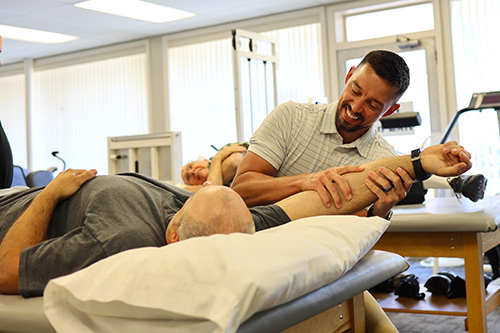
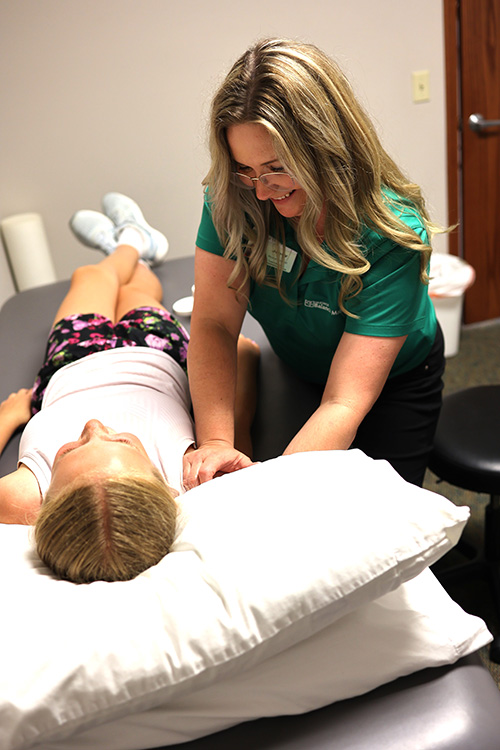
Rehabilitation should start immediately following most injuries to ensure the fastest recovery possible. A physical therapist with experience treating shoulder pain will thoroughly evaluate the severity of your injury and identify any other limitations affecting your recovery, mobility, stability, or strength.
Our therapists at GO Physical Therapy will create a targeted, individualized care plan to promote accelerated recovery and future injury prevention. Your physical therapist will guide you through a series of exercises designed to help the injury and return to your pre-injury abilities.
We will start with pain management and restoring mobility to the injured shoulder. Next, we will focus on progressing your strength and dynamic stability exercises designed to restore function and prevent injuries. We will also incorporate any appropriate pain relief technique to help ensure you can resume doing all the activities you love.
Call Today to Find Effective Shoulder Pain Relief!
Two of the biggest goals of physical therapy are to alleviate your pain and to improve your function. Your physical therapist will work with you to ensure that both are achieved throughout your physical therapy sessions.
If you are living with shoulder pain, don’t let it limit your life any longer. Call GO Physical Therapy today to find relief once and for all!
Say Goodbye to Pain – Get Started with PT Now!
Miss feeling your best? Come back to GO Physical Therapy and let us help you get there—schedule your appointment today!
Healthy Recipe:
Buddha Noodles
Ingredients
- 12 oz. package udon noodles
- 3 tbsp. smooth peanut butter
- 3 tbsp. soy sauce
- 2 tbsp. sesame oil
- 1 tbsp. honey
- 1 tbsp. lime juice
- 1 clove garlic, minced
- 2 c. shredded or cubed chicken
- 2 c. broccoli florets, steamed
- 1 c. shredded carrots
- 2 avocados, thinly sliced
- 2 green onions, thinly sliced
- 1 tsp. sesame seeds
Directions
In a large pot of salted boiling water, cook noodles according to package instructions. Drain noodles and rinse with cold water to cool. Return noodles to saucepan. Add peanut butter, soy sauce, sesame oil, honey, lime juice and garlic. Stir until sauce is creamy and noodles are fully coated. If the sauce is too loose, turn heat to low and cook until the sauce has thickened, about 1 minute. Divide noodles between bowls. Top each serving with chicken, broccoli, avocado, carrots and green onions. Garnish with sesame seeds and serve warm or at room temperature.
Exercise of the Month
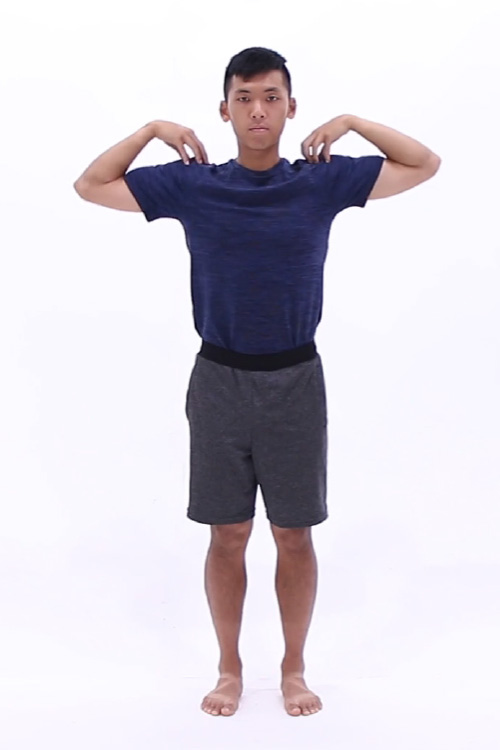
Shoulder Circumduction
Start by standing up straight. Place your fingertips on your shoulders with your elbows sticking straight out to your sides. Slowly begin making clockwise circles with your elbows without moving your fingers. Continue as directed and then switch directions. Repeat 3 sets of 10 reps each.

Thank You for Subscribing to GO Physical Therapy

Fall Nutrition Tips for Kids
As the leaves begin to change and kids head back to school, it’s important to keep their nutrition on track to support both their physical and cognitive development. Proper nutrition is crucial, especially in the fall, when the days get shorter, and kids may spend more time indoors. Here are some tips to keep your child’s diet healthy and balanced this season.
1. Embrace Seasonal Produce: Fall is the perfect time to introduce your kids to a variety of fruits and vegetables. Apples, pumpkins, sweet potatoes, and carrots are not only delicious but also packed with essential vitamins and minerals. These foods are rich in fiber, which aids digestion and helps keep kids feeling full longer.
2. Encourage Whole Grains: Swap out refined grains for whole grains like oats, quinoa, and whole wheat. Whole grains provide sustained energy, which is essential for busy school days and after-school activities. Consider making oatmeal for breakfast or whole-grain bread for sandwiches.
3. Focus on Healthy Snacks: As the school year kicks into gear, it’s easy to rely on convenient, processed snacks. Instead, opt for healthier options like sliced veggies with hummus, yogurt with fresh fruit, or homemade trail mix. These snacks offer better nutrition and keep energy levels stable throughout the day.
4. Stay Hydrated: Cooler weather can sometimes make kids less likely to drink water, but hydration is still key. Encourage water consumption by offering it with meals and sending a water bottle to school.
By incorporating these simple nutrition tips, you can help your child stay healthy and energized this fall, supporting their physical activity and overall well-being.

How Did We Do?
Click the link below to let us know how we’re doing! Leaving a review of your experience will help others to get the help that they deserve. We can’t wait to see you again!